© www.dover-kent.co.uk 2024


Dover: Lock and Key of the Kingdom

Charles Herbert Lightoller
Charles Herbert Lightoller was born on 30 March 1874 in Chorley in Lancashire. In February 1888, at the age of 13, he
began a four-year seagoing apprenticeship working on sailing
ships. On only his second voyage he was shipwrecked on an
uninhabited island in the middle of the Indian Ocean. On
another trip the cargo of coal caught fire and for his successful
efforts in fighting the fire he was promoted to Second Mate. In
1895 he obtained his Mate’s Ticket and left sailing ships for
steamships. After three years on the West African coast he
nearly died from a heavy bout of malaria.
Lightoller left the sea in 1898 and went to the Yukon to
prospect for gold in the Klondike Gold Rush. Unsuccessful in
this, he worked as a cowboy in Canada for a while before
working his passage back to England on a cattle boat. Back in
England he obtained his Master’s Certificate, and in 1900 he
joined the White Star Line, working on passenger liners to
Australia and the USA. On the Atlantic run to New York he
served on the ‘Majestic’ and the ‘Oceanic’, pride of the White
Star Line, and eventually became First Officer on the ‘Oceanic’.
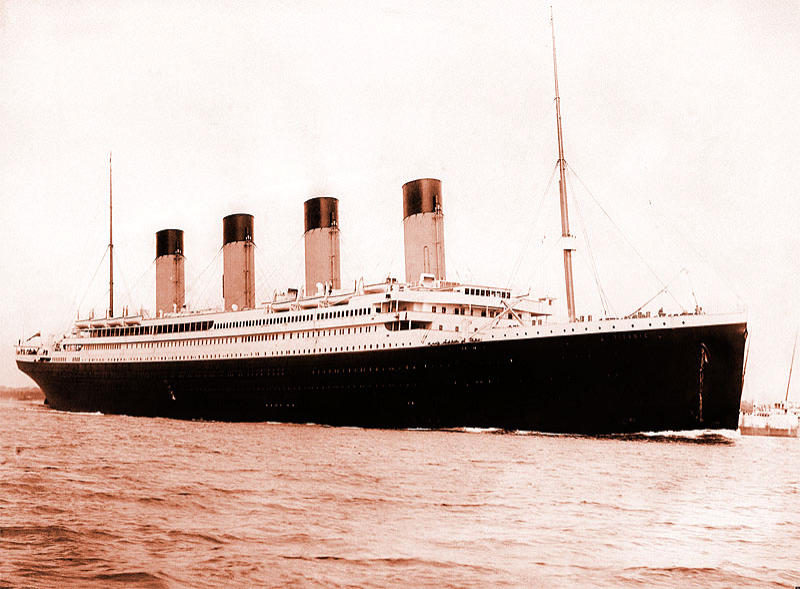
He sailed on the maiden voyage of the ‘Titanic’ as Second
Officer. On Sunday 14 April 1912, having been on watch from
6pm - 10pm, he was just nodding off to sleep in his cabin at
about 11:40pm when he felt a grinding vibration. He ran onto
deck in his pyjamas, initially nothing appeared to be wrong so
he returned to his cabin to await orders. Ten minutes later
another officer entered his cabin and informed him that the
ship was taking water. Pulling on his clothes over his pyjamas
he went onto deck.
Lightoller took charge of the lifeboats on the port side of the
ship, and as soon as he received orders he started loading the
first boat. He continued supervising the lowering of the boats,
strictly enforcing the code of “women and children” first. At
about 1:30 am the officers were issued with revolvers and
ammunition, Lightoller at the time doubted the need for this.
Shortly afterwards, however, the need became clear when a
group of men took over one of the lifeboats, he jumped in the
boat and threatened them with his empty gun driving them all
out.
At around 2:00 am all the lifeboats had been lowered, save for
four collapsible boats with canvas sides lashed to the roof of
the officers quarters. Lightoller had just managed to cut one of
these free when the ‘Titanic’ took a great plunge forward. He
dived into the water but was sucked against the grating of one
of the ventilator shafts. Fortunately the blast, caused by the
cold water hitting the still hot boilers, blew him back to the
surface. As the ‘Titanic went under, the forward funnel broke
loose and toppled his way narrowly missing him. He climbed
onto the overturned collapsible lifeboat and along with 30
other men, from where he was rescued the next day by the
‘Carpathia’.
In 1913 Lightoller returned to sea as First Officer on the
‘Oceanic’. When the First World War broke out in 1914 the
‘Oceanic’ became HMS ‘Oceanic’ and he became Lieutenant
Lightoller of the Royal Navy. Just before Christmas 1915 he
got his own command, the torpedo boat HMTB 117, and in July
1916 attacked the Zeppelin L31 with the ships guns. For this
Action he was awarded the Distinguished Service Cross and
was promoted to commander of the torpedo boat destroyer
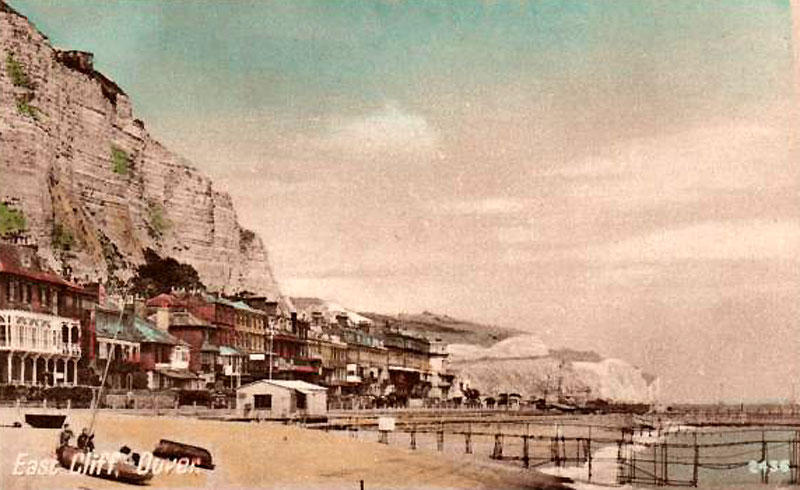
‘Falcon’ with the Dover Patrol. Lightoller moved his family to
Dover, renting a house at 8 East Cliff. In July 1918 his new
command, the destroyer ‘Garry’, rammed and sank the
German submarine U-110, for which action he was awarded a
bar to his D.S.C. and promoted to Lieutenant Commander.
After the war he returned to the White Star line as Chief
Officer on the liner ‘Celtic’, having been passed over for a post
on the ‘Olympic’. The new management of the White Star Line
wanted to forget the ‘Titanic’ and everyone associated with
her, and none of the surviving officers ever got their own
commands. Lightoller was not interested in remaining the
Chief Officer of the ‘Celtic’ indefinitely so, after more than 20
years of service he resigned from the White Star Line. The first
few years were hard, he and his wife opened a guesthouse,
and after a few years had some minor success in property
speculation.
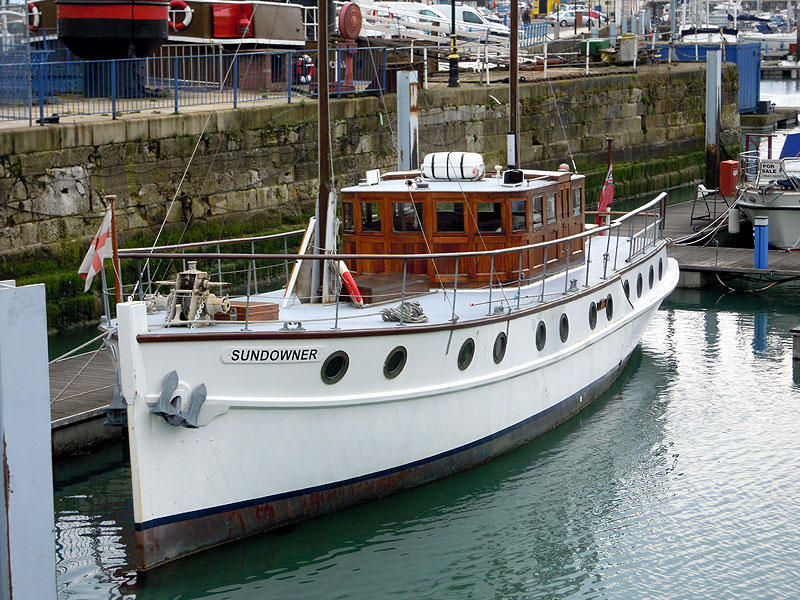
In 1929 the Lightollers purchased an old Admiralty steam
launch, refitted her with a diesel engine and christened her
‘Sundowner’. Throughout the 1930s she was used by the
Lightoller family for trips around England and Europe. In July
1939 Lightoller was approached by the Royal Navy and asked
to perform a survey of the German coastline. They did this
under the guise of an elderly couple on holiday in their yacht.
Then in the closing days of May 1940, with the British
Expeditionary Force trapped on the beaches at Dunkirk, the
Admiralty again called on Lightoller. They asked him to take
the ‘Sundowner’ to Ramsgate, where a navy crew would take
her over and sail her to Dunkirk. He informed them that
nobody would take ‘Sundowner’ to Dunkirk except him.
On 1 June 1940, the 66 year old Lightoller, with his eldest son
Roger and an 18 year old Sea-Scout named Gerald, took the
‘Sundowner’ and sailed for Dunkirk. Although the ‘Sundowner’
had never carried more than 21 people before, they succeeded
in carrying a total of 130 men from the beaches of Dunkirk. In
addition to the three crew members, there were two crew
members who had been rescued from another small boat.
There were three Naval Ratings rescued from the sea off
Dunkirk, plus 122 troops taken from the destroyer HMS
‘Worcester’. Despite numerous bombing and strafing runs by
German aircraft, they all arrived safely back in Ramsgate
about 12 hours after they departed.
Following Dunkirk, Commander Lightoller joined the Home
Guard, but the Royal Navy engaged him to work with the
Small Vessels Pool until the end of the War. After the War he
went on to run a boatyard on the Thames building motor
launches for the London River Police. He died, aged 78, in
December 1952.
Chorley in Lancashire. In February 1888, at the age of 13, he
began a four-year seagoing apprenticeship working on sailing
ships. On only his second voyage he was shipwrecked on an
uninhabited island in the middle of the Indian Ocean. On
another trip the cargo of coal caught fire and for his successful
efforts in fighting the fire he was promoted to Second Mate. In
1895 he obtained his Mate’s Ticket and left sailing ships for
steamships. After three years on the West African coast he
nearly died from a heavy bout of malaria.
Lightoller left the sea in 1898 and went to the Yukon to
prospect for gold in the Klondike Gold Rush. Unsuccessful in
this, he worked as a cowboy in Canada for a while before
working his passage back to England on a cattle boat. Back in
England he obtained his Master’s Certificate, and in 1900 he
joined the White Star Line, working on passenger liners to
Australia and the USA. On the Atlantic run to New York he
served on the ‘Majestic’ and the ‘Oceanic’, pride of the White
Star Line, and eventually became First Officer on the ‘Oceanic’.
He sailed on the maiden voyage of the ‘Titanic’ as Second
Officer. On Sunday 14 April 1912, having been on watch from
6pm - 10pm, he was just nodding off to sleep in his cabin at
about 11:40pm when he felt a grinding vibration. He ran onto
deck in his pyjamas, initially nothing appeared to be wrong so
he returned to his cabin to await orders. Ten minutes later
another officer entered his cabin and informed him that the
ship was taking water. Pulling on his clothes over his pyjamas
he went onto deck.
Lightoller took charge of the lifeboats on the port side of the
ship, and as soon as he received orders he started loading the
first boat. He continued supervising the lowering of the boats,
strictly enforcing the code of “women and children” first. At
about 1:30 am the officers were issued with revolvers and
ammunition, Lightoller at the time doubted the need for this.
Shortly afterwards, however, the need became clear when a
group of men took over one of the lifeboats, he jumped in the
boat and threatened them with his empty gun driving them all
out.
At around 2:00 am all the lifeboats had been lowered, save for
four collapsible boats with canvas sides lashed to the roof of
the officers quarters. Lightoller had just managed to cut one of
these free when the ‘Titanic’ took a great plunge forward. He
dived into the water but was sucked against the grating of one
of the ventilator shafts. Fortunately the blast, caused by the
cold water hitting the still hot boilers, blew him back to the
surface. As the ‘Titanic went under, the forward funnel broke
loose and toppled his way narrowly missing him. He climbed
onto the overturned collapsible lifeboat and along with 30
other men, from where he was rescued the next day by the
‘Carpathia’.
In 1913 Lightoller returned to sea as First Officer on the
‘Oceanic’. When the First World War broke out in 1914 the
‘Oceanic’ became HMS ‘Oceanic’ and he became Lieutenant
Lightoller of the Royal Navy. Just before Christmas 1915 he
got his own command, the torpedo boat HMTB 117, and in July
1916 attacked the Zeppelin L31 with the ships guns. For this
Action he was awarded the Distinguished Service Cross and
was promoted to commander of the torpedo boat destroyer
‘Falcon’ with the Dover Patrol. Lightoller moved his family to
Dover, renting a house at 8 East Cliff. In July 1918 his new
command, the destroyer ‘Garry’, rammed and sank the
German submarine U-110, for which action he was awarded a
bar to his D.S.C. and promoted to Lieutenant Commander.
After the war he returned to the White Star line as Chief
Officer on the liner ‘Celtic’, having been passed over for a post
on the ‘Olympic’. The new management of the White Star Line
wanted to forget the ‘Titanic’ and everyone associated with
her, and none of the surviving officers ever got their own
commands. Lightoller was not interested in remaining the
Chief Officer of the ‘Celtic’ indefinitely so, after more than 20
years of service he resigned from the White Star Line. The first
few years were hard, he and his wife opened a guesthouse,
and after a few years had some minor success in property
speculation.
In 1929 the Lightollers purchased an old Admiralty steam
launch, refitted her with a diesel engine and christened her
‘Sundowner’. Throughout the 1930s she was used by the
Lightoller family for trips around England and Europe. In July
1939 Lightoller was approached by the Royal Navy and asked
to perform a survey of the German coastline. They did this
under the guise of an elderly couple on holiday in their yacht.
Then in the closing days of May 1940, with the British
Expeditionary Force trapped on the beaches at Dunkirk, the
Admiralty again called on Lightoller. They asked him to take
the ‘Sundowner’ to Ramsgate, where a navy crew would take
her over and sail her to Dunkirk. He informed them that
nobody would take ‘Sundowner’ to Dunkirk except him.
On 1 June 1940, the 66 year old Lightoller, with his eldest son
Roger and an 18 year old Sea-Scout named Gerald, took the
‘Sundowner’ and sailed for Dunkirk. Although the ‘Sundowner’
had never carried more than 21 people before, they succeeded
in carrying a total of 130 men from the beaches of Dunkirk. In
addition to the three crew members, there were two crew
members who had been rescued from another small boat.
There were three Naval Ratings rescued from the sea off
Dunkirk, plus 122 troops taken from the destroyer HMS
‘Worcester’. Despite numerous bombing and strafing runs by
German aircraft, they all arrived safely back in Ramsgate
about 12 hours after they departed.
Following Dunkirk, Commander Lightoller joined the Home
Guard, but the Royal Navy engaged him to work with the
Small Vessels Pool until the end of the War. After the War he
went on to run a boatyard on the Thames building motor
launches for the London River Police. He died, aged 78, in
December 1952.
Chorley in Lancashire. In February 1888, at the age of 13, he
began a four-year seagoing apprenticeship working on sailing
ships. On only his second voyage he was shipwrecked on an
uninhabited island in the middle of the Indian Ocean. On
another trip the cargo of coal caught fire and for his successful
efforts in fighting the fire he was promoted to Second Mate. In
1895 he obtained his Mate’s Ticket and left sailing ships for
steamships. After three years on the West African coast he
nearly died from a heavy bout of malaria.
Lightoller left the sea in 1898 and went to the Yukon to
prospect for gold in the Klondike Gold Rush. Unsuccessful in
this, he worked as a cowboy in Canada for a while before
working his passage back to England on a cattle boat. Back in
England he obtained his Master’s Certificate, and in 1900 he
joined the White Star Line, working on passenger liners to
Australia and the USA. On the Atlantic run to New York he
served on the ‘Majestic’ and the ‘Oceanic’, pride of the White
Star Line, and eventually became First Officer on the ‘Oceanic’.
He sailed on the maiden voyage of the ‘Titanic’ as Second
Officer. On Sunday 14 April 1912, having been on watch from
6pm - 10pm, he was just nodding off to sleep in his cabin at
about 11:40pm when he felt a grinding vibration. He ran onto
deck in his pyjamas, initially nothing appeared to be wrong so
he returned to his cabin to await orders. Ten minutes later
another officer entered his cabin and informed him that the
ship was taking water. Pulling on his clothes over his pyjamas
he went onto deck.
Lightoller took charge of the lifeboats on the port side of the
ship, and as soon as he received orders he started loading the
first boat. He continued supervising the lowering of the boats,
strictly enforcing the code of “women and children” first. At
about 1:30 am the officers were issued with revolvers and
ammunition, Lightoller at the time doubted the need for this.
Shortly afterwards, however, the need became clear when a
group of men took over one of the lifeboats, he jumped in the
boat and threatened them with his empty gun driving them all
out.
At around 2:00 am all the lifeboats had been lowered, save for
four collapsible boats with canvas sides lashed to the roof of
the officers quarters. Lightoller had just managed to cut one of
these free when the ‘Titanic’ took a great plunge forward. He
dived into the water but was sucked against the grating of one
of the ventilator shafts. Fortunately the blast, caused by the
cold water hitting the still hot boilers, blew him back to the
surface. As the ‘Titanic went under, the forward funnel broke
loose and toppled his way narrowly missing him. He climbed
onto the overturned collapsible lifeboat and along with 30
other men, from where he was rescued the next day by the
‘Carpathia’.
In 1913 Lightoller returned to sea as First Officer on the
‘Oceanic’. When the First World War broke out in 1914 the
‘Oceanic’ became HMS ‘Oceanic’ and he became Lieutenant
Lightoller of the Royal Navy. Just before Christmas 1915 he
got his own command, the torpedo boat HMTB 117, and in July
1916 attacked the Zeppelin L31 with the ships guns. For this
Action he was awarded the Distinguished Service Cross and
was promoted to commander of the torpedo boat destroyer
‘Falcon’ with the Dover Patrol. Lightoller moved his family to
Dover, renting a house at 8 East Cliff. In July 1918 his new
command, the destroyer ‘Garry’, rammed and sank the
German submarine U-110, for which action he was awarded a
bar to his D.S.C. and promoted to Lieutenant Commander.
After the war he returned to the White Star line as Chief
Officer on the liner ‘Celtic’, having been passed over for a post
on the ‘Olympic’. The new management of the White Star Line
wanted to forget the ‘Titanic’ and everyone associated with
her, and none of the surviving officers ever got their own
commands. Lightoller was not interested in remaining the
Chief Officer of the ‘Celtic’ indefinitely so, after more than 20
years of service he resigned from the White Star Line. The first
few years were hard, he and his wife opened a guesthouse,
and after a few years had some minor success in property
speculation.
In 1929 the Lightollers purchased an old Admiralty steam
launch, refitted her with a diesel engine and christened her
‘Sundowner’. Throughout the 1930s she was used by the
Lightoller family for trips around England and Europe. In July
1939 Lightoller was approached by the Royal Navy and asked
to perform a survey of the German coastline. They did this
under the guise of an elderly couple on holiday in their yacht.
Then in the closing days of May 1940, with the British
Expeditionary Force trapped on the beaches at Dunkirk, the
Admiralty again called on Lightoller. They asked him to take
the ‘Sundowner’ to Ramsgate, where a navy crew would take
her over and sail her to Dunkirk. He informed them that
nobody would take ‘Sundowner’ to Dunkirk except him.
On 1 June 1940, the 66 year old Lightoller, with his eldest son
Roger and an 18 year old Sea-Scout named Gerald, took the
‘Sundowner’ and sailed for Dunkirk. Although the ‘Sundowner’
had never carried more than 21 people before, they succeeded
in carrying a total of 130 men from the beaches of Dunkirk. In
addition to the three crew members, there were two crew
members who had been rescued from another small boat.
There were three Naval Ratings rescued from the sea off
Dunkirk, plus 122 troops taken from the destroyer HMS
‘Worcester’. Despite numerous bombing and strafing runs by
German aircraft, they all arrived safely back in Ramsgate
about 12 hours after they departed.
Following Dunkirk, Commander Lightoller joined the Home
Guard, but the Royal Navy engaged him to work with the
Small Vessels Pool until the end of the War. After the War he
went on to run a boatyard on the Thames building motor
launches for the London River Police. He died, aged 78, in
December 1952.