

© www.dover-kent.co.uk 2024


Dover: Lock and Key of the Kingdom

Dover in the First World War - The Dover Patrol
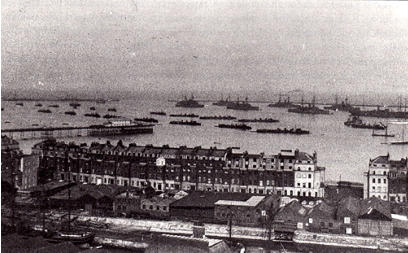
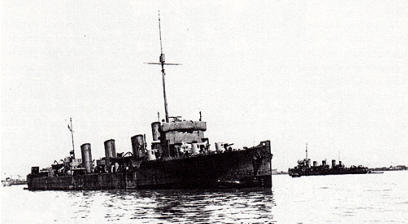
In late July 1914, with war looming, twelve ‘Tribal’ class destroyers arrived at Dover to join the near obsolete destroyers already at anchor
in the harbour, most of them built in the late 1800s. These destroyers
formed the nucleus of the fledgling Dover Patrol, which, from its early
beginnings as a modest and poorly equipped command, became one of
the most important Royal Navy commands of the First World War.
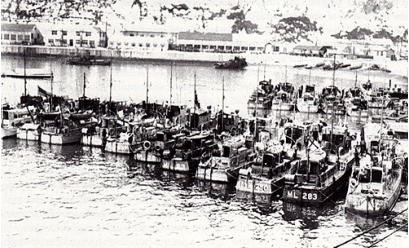
The Dover Patrol assembled cruisers, monitors, destroyers, armed
trawlers and drifters, paddle mine-sweepers, armed yachts, motor
launches and coastal motor boats, submarines, seaplanes, aeroplanes
and airships. With these resources it performed several duties
simultaneously in the Southern North Sea and the Dover Straits:
carrying out anti-submarine patrols; escorting merchantmen, hospital
and troop ships; laying sea-mines and even constructing mine barrages;
sweeping up German mines; bombarding German military positions on
the Belgian coast; and sinking the ever present U-boats.
There were many heroic actions involving the men and ships of the
Dover Patrol. On 24 October 1914 the destroyer ‘Falcon’ was hit by a
German eight-inch shell, which killed the captain and 24 members of the
60-man crew. The ‘Falcon’ was brought back to Dover where she was
repaired. Later in the war the ‘Falcon’ became the command of
Lieutenant C.H. Lightoller whose previous claim to fame was as Second
Officer on the ill fated ‘Titanic’.
One of the most memorable officers of the Dover Patrol was Captain
E.R.G.R. Evans who always carried a penguin mascot nailed to the mast
of his destroyer, a relic from his days with Captain Scott’s ill-fated
Antarctic Expedition. He was promoted to captain after his famous sea
battle with German destroyers on 20 April 1917. On this occasion he was
in command of the Flotilla leader ‘Broke’ and, with the destroyer ‘Swift’,
intercepted and sank the German destroyers G42 and G45.
Admiral R.H. Bacon commanded the Dover Patrol until 31 December
1917, when Vice-Admiral Roger Keyes replaced him. The new
commander was charged with the special duty of blockading the German
held Belgian ports and the U-boats based there. This was to culminate in
what was the Patrol’s ‘finest hour’, the raid on Zeebrugge and Ostend on
22/23 April 1918.
arrived at Dover to join the near obsolete destroyers already at anchor
in the harbour, most of them built in the late 1800s. These destroyers
formed the nucleus of the fledgling Dover Patrol, which, from its early
beginnings as a modest and poorly equipped command, became one of
the most important Royal Navy commands of the First World War.
The Dover Patrol assembled cruisers, monitors, destroyers, armed
trawlers and drifters, paddle mine-sweepers, armed yachts, motor
launches and coastal motor boats, submarines, seaplanes, aeroplanes
and airships. With these resources it performed several duties
simultaneously in the Southern North Sea and the Dover Straits:
carrying out anti-submarine patrols; escorting merchantmen, hospital
and troop ships; laying sea-mines and even constructing mine barrages;
sweeping up German mines; bombarding German military positions on
the Belgian coast; and sinking the ever present U-boats.
There were many heroic actions involving the men and ships of the
Dover Patrol. On 24 October 1914 the destroyer ‘Falcon’ was hit by a
German eight-inch shell, which killed the captain and 24 members of the
60-man crew. The ‘Falcon’ was brought back to Dover where she was
repaired. Later in the war the ‘Falcon’ became the command of
Lieutenant C.H. Lightoller whose previous claim to fame was as Second
Officer on the ill fated ‘Titanic’.
One of the most memorable officers of the Dover Patrol was Captain
E.R.G.R. Evans who always carried a penguin mascot nailed to the mast
of his destroyer, a relic from his days with Captain Scott’s ill-fated
Antarctic Expedition. He was promoted to captain after his famous sea
battle with German destroyers on 20 April 1917. On this occasion he was
in command of the Flotilla leader ‘Broke’ and, with the destroyer ‘Swift’,
intercepted and sank the German destroyers G42 and G45.
Admiral R.H. Bacon commanded the Dover Patrol until 31 December
1917, when Vice-Admiral Roger Keyes replaced him. The new
commander was charged with the special duty of blockading the German
held Belgian ports and the U-boats based there. This was to culminate in
what was the Patrol’s ‘finest hour’, the raid on Zeebrugge and Ostend on
22/23 April 1918.
arrived at Dover to join the near obsolete destroyers already at anchor
in the harbour, most of them built in the late 1800s. These destroyers
formed the nucleus of the fledgling Dover Patrol, which, from its early
beginnings as a modest and poorly equipped command, became one of
the most important Royal Navy commands of the First World War.
The Dover Patrol assembled cruisers, monitors, destroyers, armed
trawlers and drifters, paddle mine-sweepers, armed yachts, motor
launches and coastal motor boats, submarines, seaplanes, aeroplanes
and airships. With these resources it performed several duties
simultaneously in the Southern North Sea and the Dover Straits:
carrying out anti-submarine patrols; escorting merchantmen, hospital
and troop ships; laying sea-mines and even constructing mine barrages;
sweeping up German mines; bombarding German military positions on
the Belgian coast; and sinking the ever present U-boats.
There were many heroic actions involving the men and ships of the
Dover Patrol. On 24 October 1914 the destroyer ‘Falcon’ was hit by a
German eight-inch shell, which killed the captain and 24 members of the
60-man crew. The ‘Falcon’ was brought back to Dover where she was
repaired. Later in the war the ‘Falcon’ became the command of
Lieutenant C.H. Lightoller whose previous claim to fame was as Second
Officer on the ill fated ‘Titanic’.
One of the most memorable officers of the Dover Patrol was Captain
E.R.G.R. Evans who always carried a penguin mascot nailed to the mast
of his destroyer, a relic from his days with Captain Scott’s ill-fated
Antarctic Expedition. He was promoted to captain after his famous sea
battle with German destroyers on 20 April 1917. On this occasion he was
in command of the Flotilla leader ‘Broke’ and, with the destroyer ‘Swift’,
intercepted and sank the German destroyers G42 and G45.
Admiral R.H. Bacon commanded the Dover Patrol until 31 December
1917, when Vice-Admiral Roger Keyes replaced him. The new
commander was charged with the special duty of blockading the German
held Belgian ports and the U-boats based there. This was to culminate in
what was the Patrol’s ‘finest hour’, the raid on Zeebrugge and Ostend on
22/23 April 1918.


The Dover Patrol Memorial
In November 1918 an Executive Committee was formed for the erection by public subscription
of memorial obelisks to honour the Dover Patrol. These were eventually sited at Leathercote
Point, St Margarets. near Dover, Cap Blanc Nez, on the French coast and New York Harbour.
Over £45,000 was collected by subscription and one of the first donations received was a
cheque for £1,000 from King Albert and Queen Elizabeth of the Belgians. The monument was
designed by Sir Aston Webb whose best know works include the Queen Victoria Memorial and
The Mall approach to, and the principal façade of, Buckingham Palace, which he re-designed in
1913.
The memorial at Leatercote Point near St Margaret's Bay was unveiled by HRH the Prince of
Wales on 27 July 1921. A Book of Remembrance, containing the names of nearly 2,000
members of the Dover Patrol who lost their lives, is held in St Margaret’s church.


