© www.dover-kent.co.uk 2024


Dover: Lock and Key of the Kingdom

Dover Castle - The Secret Wartime Tunnels
The first tunnels under Dover Castle were constructed in the Middle Ages to provide a protected line of communication for the soldiers
manning the northern outworks and to allow the garrison to gather
unseen before launching a surprise attack. During the Napoleonic
Wars, this system of tunnels was greatly expanded to fortify the
Castle in readiness for a French invasion. Seven tunnels (running
with damp and prone to collapse) were dug as barracks for the
soldiers and officers who were filling both castle and town to
overflowing. These were capable of accommodating up to 2,000
troops. They are the only underground barracks ever built in
Britain.
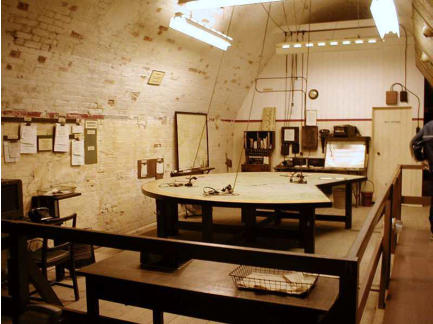
In May 1940, as France fell before the German advance, the tunnels
became the nerve centre for 'Operation Dynamo' - the evacuation
of the British Expeditionary Force (BEF) and French troops from
Dunkirk's beaches. Admiral Ramsay and his staff worked round the
clock for nine days. On 26 May some 400,000 troops were awaiting
rescue on the beaches of Dunkirk. The best estimate was that only
45,000 could be brought back. Yet, by 4 June, nearly all were
evacuated. In total, 338,000 men came back: the BEF and 139,000
French soldiers.
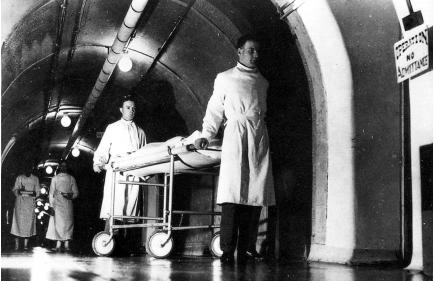
In the Second World War there was also a hospital in the tunnels
complete with operating theatre. Fortunately casualties were lower
than expected and later in the war some of the ward tunnels were
given over to dormitories and mess accommodation for military
personnel based at the castle.
The main military telephone exchange was installed in the tunnels
in 1941. Manually operated, it linked Dover to the Admiralty, the
War Office and the Air ministry, to the fighter airfields, anti-aircraft
batteries, naval bases, coastal artillery and radar sites.
In the Cold War the tunnels were further expanded to form a
Regional Centre of Government in the event of nuclear war. With
the fall of the Berlin Wall in 1989 the need for this facility decreased
and in the early 1990s it was decommissioned and areas of the
tunnels opened to the public.
Ages to provide a protected line of communication for the soldiers
manning the northern outworks and to allow the garrison to gather
unseen before launching a surprise attack. During the Napoleonic
Wars, this system of tunnels was greatly expanded to fortify the
Castle in readiness for a French invasion. Seven tunnels (running
with damp and prone to collapse) were dug as barracks for the
soldiers and officers who were filling both castle and town to
overflowing. These were capable of accommodating up to 2,000
troops. They are the only underground barracks ever built in
Britain.
In May 1940, as France fell before the German advance, the tunnels
became the nerve centre for 'Operation Dynamo' - the evacuation
of the British Expeditionary Force (BEF) and French troops from
Dunkirk's beaches. Admiral Ramsay and his staff worked round the
clock for nine days. On 26 May some 400,000 troops were awaiting
rescue on the beaches of Dunkirk. The best estimate was that only
45,000 could be brought back. Yet, by 4 June, nearly all were
evacuated. In total, 338,000 men came back: the BEF and 139,000
French soldiers.
In the Second World War there was also a hospital in the tunnels
complete with operating theatre. Fortunately casualties were lower
than expected and later in the war some of the ward tunnels were
given over to dormitories and mess accommodation for military
personnel based at the castle.
The main military telephone exchange was installed in the tunnels
in 1941. Manually operated, it linked Dover to the Admiralty, the
War Office and the Air ministry, to the fighter airfields, anti-aircraft
batteries, naval bases, coastal artillery and radar sites.
In the Cold War the tunnels were further expanded to form a
Regional Centre of Government in the event of nuclear war. With
the fall of the Berlin Wall in 1989 the need for this facility decreased
and in the early 1990s it was decommissioned and areas of the
tunnels opened to the public.
Ages to provide a protected line of communication for the soldiers
manning the northern outworks and to allow the garrison to gather
unseen before launching a surprise attack. During the Napoleonic
Wars, this system of tunnels was greatly expanded to fortify the
Castle in readiness for a French invasion. Seven tunnels (running
with damp and prone to collapse) were dug as barracks for the
soldiers and officers who were filling both castle and town to
overflowing. These were capable of accommodating up to 2,000
troops. They are the only underground barracks ever built in
Britain.
In May 1940, as France fell before the German advance, the tunnels
became the nerve centre for 'Operation Dynamo' - the evacuation
of the British Expeditionary Force (BEF) and French troops from
Dunkirk's beaches. Admiral Ramsay and his staff worked round the
clock for nine days. On 26 May some 400,000 troops were awaiting
rescue on the beaches of Dunkirk. The best estimate was that only
45,000 could be brought back. Yet, by 4 June, nearly all were
evacuated. In total, 338,000 men came back: the BEF and 139,000
French soldiers.
In the Second World War there was also a hospital in the tunnels
complete with operating theatre. Fortunately casualties were lower
than expected and later in the war some of the ward tunnels were
given over to dormitories and mess accommodation for military
personnel based at the castle.
The main military telephone exchange was installed in the tunnels
in 1941. Manually operated, it linked Dover to the Admiralty, the
War Office and the Air ministry, to the fighter airfields, anti-aircraft
batteries, naval bases, coastal artillery and radar sites.
In the Cold War the tunnels were further expanded to form a
Regional Centre of Government in the event of nuclear war. With
the fall of the Berlin Wall in 1989 the need for this facility decreased
and in the early 1990s it was decommissioned and areas of the
tunnels opened to the public.