© www.dover-kent.co.uk 2024


Dover: Lock and Key of the Kingdom

The Lord Warden Hotel
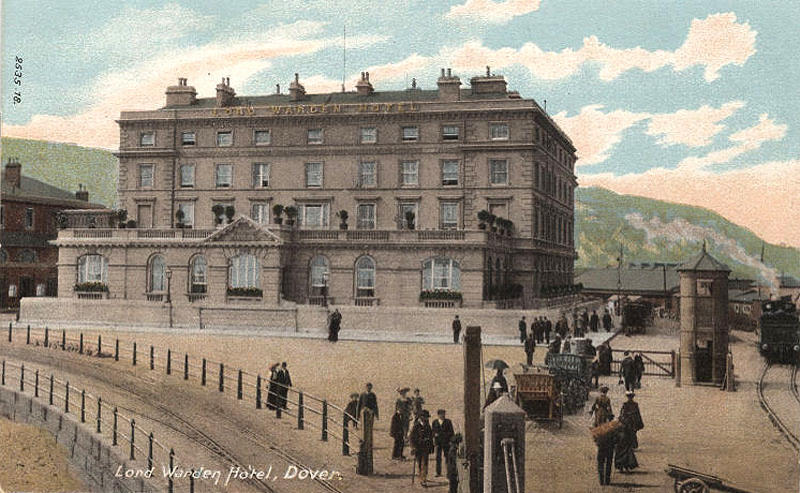
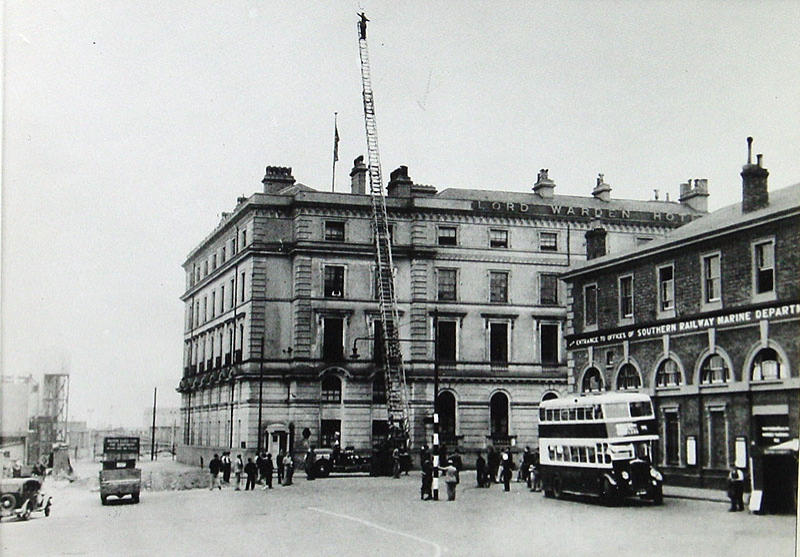
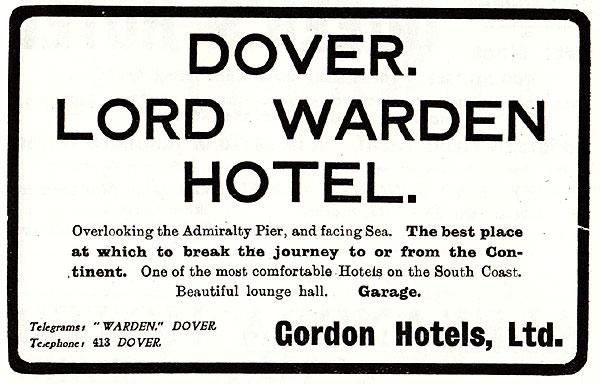
The Lord Warden Hotel was opened in September 1853. It was built by the South Eastern Railway, next door to their Town
Station, to which it was connected by a glazed walkway at first
floor level. It was ideally placed for the cross channel traveller
between the Town Station and the Admiralty Pier, where the
cross-Channel steamers berthed.
The hotel was designed by Samuel Beazley (1786-1851),
architect, novelist and playwright. Beazley was the leading
theatre architect of his time and the first notable English expert
in this field. Beazley designed or substantially redesigned seven
London theatres including the Lyceum and the Theatre Royal,
Drury Lane. His non-theatre work included a variety of
commercial, civic and residential commissions; one of his clients
being the South Eastern Railway, for whom he had already
designed the station at London Bridge.
The hotel attracted a clientèle from the rich and famous en route
to and from the Continent. Charles Dickens was a guest as was
William Makepeace Thackeray. In March 1871 the deposed
Emperor Napoleon III of France arrived to be reunited with his
wife Eugenie here.
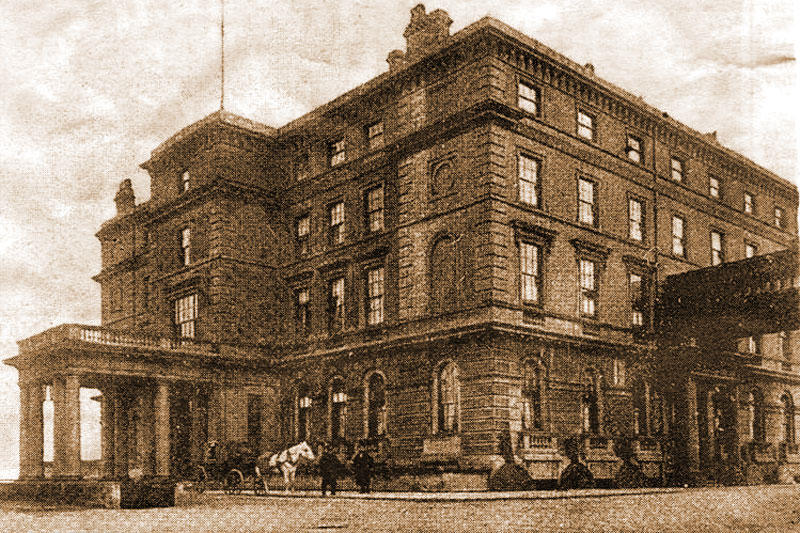
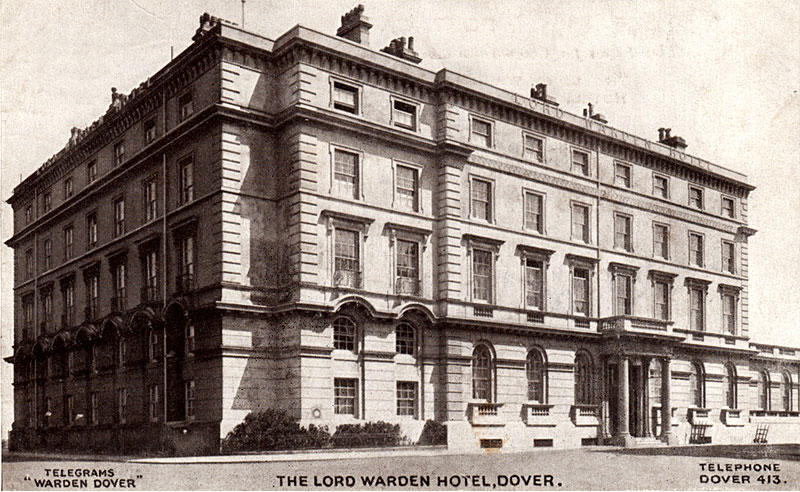
The original main entrance was to the north, with a large
projecting portico supported on pairs of columns. Between 1898
and 1907 the whole of the north side of the building was
extended out and the north elevation rebuilt as a side elevation.
After the extension the west entrance, facing the Town Station
became the main entrance.
Between the First and Second World Wars the hotel still
attracted a well-heeled travelling clientèle. The Queen Victoria of
Spain stayed at the hotel for a night on her way to London in
February 1933. In the evening the Royal party paid a visit to
the Granada cinema, where they saw the appropriately titled
film, “Grand Hotel”.
The hotel’s celebrated ballroom was much used by local
organisations for annual dinners, dances and other events.
During the Second World War it was taken over by the Royal
Navy and known as HMS Wasp. It was the headquarters for the
Coastal Force, made up of motor torpedo boats, motor gun
boats and air-sea rescue craft. This was where the crews were
billeted and the signals section, plotting rooms and offices were
located. The craft themselves were based in the Ferry Dock and
the Camber area of the Harbour.
After the war the building was taken over as offices by the
Southern Region of British Rail and renamed Southern House. It
was later used by HM Customs and Excise before being
purchased for use as offices by the shipping line, Stena. In 1999
it was bought by the Dover Harbour Board and refurbished for
use by freight agents in conjunction with new Customs clearance
facilities being built nearby. The building was also renamed Lord
Warden House at the same time.
The building is Grade II listed and reading the listing document
reveals that some of the internal features of the old hotel still
remain intact. Amongst other features it mentions that:
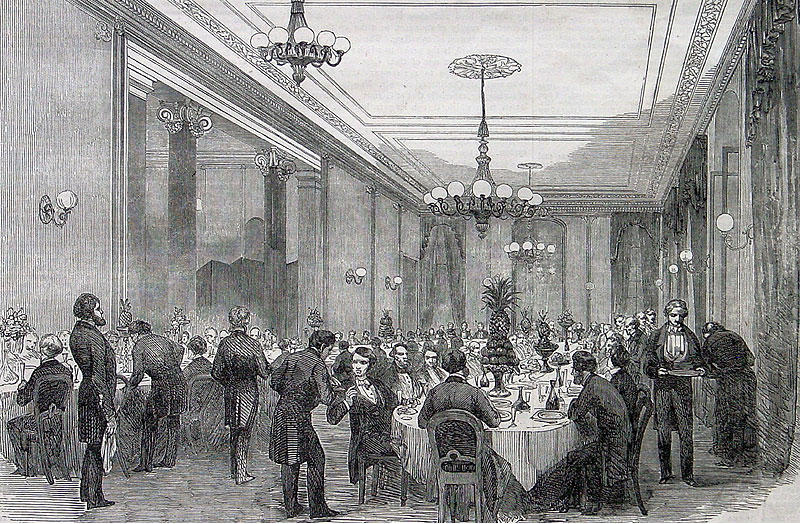
“The rich interior of the ballroom to the east side of the building
is largely complete, with marble floor, wainscot, Ionic columns
and chimneypieces. Decorative plasterwork on the walls and
ceiling survive.”
built by the South Eastern Railway, next door to their Town
Station, to which it was connected by a glazed walkway at first
floor level. It was ideally placed for the cross channel traveller
between the Town Station and the Admiralty Pier, where the
cross-Channel steamers berthed.
The hotel was designed by Samuel Beazley (1786-1851),
architect, novelist and playwright. Beazley was the leading
theatre architect of his time and the first notable English expert
in this field. Beazley designed or substantially redesigned seven
London theatres including the Lyceum and the Theatre Royal,
Drury Lane. His non-theatre work included a variety of
commercial, civic and residential commissions; one of his clients
being the South Eastern Railway, for whom he had already
designed the station at London Bridge.
The hotel attracted a clientèle from the rich and famous en route
to and from the Continent. Charles Dickens was a guest as was
William Makepeace Thackeray. In March 1871 the deposed
Emperor Napoleon III of France arrived to be reunited with his
wife Eugenie here.
The original main entrance was to the north, with a large
projecting portico supported on pairs of columns. Between 1898
and 1907 the whole of the north side of the building was
extended out and the north elevation rebuilt as a side elevation.
After the extension the west entrance, facing the Town Station
became the main entrance.
Between the First and Second World Wars the hotel still
attracted a well-heeled travelling clientèle. The Queen Victoria of
Spain stayed at the hotel for a night on her way to London in
February 1933. In the evening the Royal party paid a visit to
the Granada cinema, where they saw the appropriately titled
film, “Grand Hotel”.
The hotel’s celebrated ballroom was much used by local
organisations for annual dinners, dances and other events.
During the Second World War it was taken over by the Royal
Navy and known as HMS Wasp. It was the headquarters for the
Coastal Force, made up of motor torpedo boats, motor gun
boats and air-sea rescue craft. This was where the crews were
billeted and the signals section, plotting rooms and offices were
located. The craft themselves were based in the Ferry Dock and
the Camber area of the Harbour.
After the war the building was taken over as offices by the
Southern Region of British Rail and renamed Southern House. It
was later used by HM Customs and Excise before being
purchased for use as offices by the shipping line, Stena. In 1999
it was bought by the Dover Harbour Board and refurbished for
use by freight agents in conjunction with new Customs clearance
facilities being built nearby. The building was also renamed Lord
Warden House at the same time.
The building is Grade II listed and reading the listing document
reveals that some of the internal features of the old hotel still
remain intact. Amongst other features it mentions that:
“The rich interior of the ballroom to the east side of the building
is largely complete, with marble floor, wainscot, Ionic columns
and chimneypieces. Decorative plasterwork on the walls and
ceiling survive.”
built by the South Eastern Railway, next door to their Town
Station, to which it was connected by a glazed walkway at first
floor level. It was ideally placed for the cross channel traveller
between the Town Station and the Admiralty Pier, where the
cross-Channel steamers berthed.
The hotel was designed by Samuel Beazley (1786-1851),
architect, novelist and playwright. Beazley was the leading
theatre architect of his time and the first notable English expert
in this field. Beazley designed or substantially redesigned seven
London theatres including the Lyceum and the Theatre Royal,
Drury Lane. His non-theatre work included a variety of
commercial, civic and residential commissions; one of his clients
being the South Eastern Railway, for whom he had already
designed the station at London Bridge.
The hotel attracted a clientèle from the rich and famous en route
to and from the Continent. Charles Dickens was a guest as was
William Makepeace Thackeray. In March 1871 the deposed
Emperor Napoleon III of France arrived to be reunited with his
wife Eugenie here.
The original main entrance was to the north, with a large
projecting portico supported on pairs of columns. Between 1898
and 1907 the whole of the north side of the building was
extended out and the north elevation rebuilt as a side elevation.
After the extension the west entrance, facing the Town Station
became the main entrance.
Between the First and Second World Wars the hotel still
attracted a well-heeled travelling clientèle. The Queen Victoria of
Spain stayed at the hotel for a night on her way to London in
February 1933. In the evening the Royal party paid a visit to
the Granada cinema, where they saw the appropriately titled
film, “Grand Hotel”.
The hotel’s celebrated ballroom was much used by local
organisations for annual dinners, dances and other events.
During the Second World War it was taken over by the Royal
Navy and known as HMS Wasp. It was the headquarters for the
Coastal Force, made up of motor torpedo boats, motor gun
boats and air-sea rescue craft. This was where the crews were
billeted and the signals section, plotting rooms and offices were
located. The craft themselves were based in the Ferry Dock and
the Camber area of the Harbour.
After the war the building was taken over as offices by the
Southern Region of British Rail and renamed Southern House. It
was later used by HM Customs and Excise before being
purchased for use as offices by the shipping line, Stena. In 1999
it was bought by the Dover Harbour Board and refurbished for
use by freight agents in conjunction with new Customs clearance
facilities being built nearby. The building was also renamed Lord
Warden House at the same time.
The building is Grade II listed and reading the listing document
reveals that some of the internal features of the old hotel still
remain intact. Amongst other features it mentions that:
“The rich interior of the ballroom to the east side of the building
is largely complete, with marble floor, wainscot, Ionic columns
and chimneypieces. Decorative plasterwork on the walls and
ceiling survive.”