© www.dover-kent.co.uk 2024


Dover: Lock and Key of the Kingdom

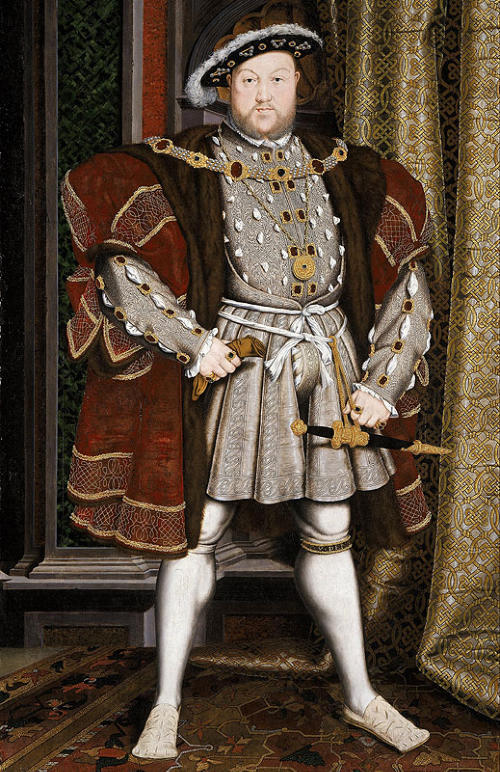
King Henry VIII
King Henry VIII had a long and intimate connection with Dover, having held the offices of Lord Warden of the Cinque Ports and
Constable of Dover Castle before he became king.
Henry did much to improve the Castle and the fortifications of
Dover itself by adding the Moat Bulwark on the north side of
the harbour and a similar bulwark (which developed into
Archcliffe Fort) on the south side. This provided shore batteries
on either flank of the harbour.
When Henry visited Dover he stayed in the Royal Apartments in
the keep and inner bailey of the Castle. Records survive from
1513 of his orders to the Barons of the Cinque Ports to fit out
their fleet to convey him and his entourage to Calais (then an
English possession). He arrived at the Castle on 15 June and
stayed until 30 June when he embarked for Calais.
Dover witnessed a splendid sight on 31 May 1520 when Henry
and his Queen, Katherine of Aragon, set off for France to meet
the French King at the 'Field of the Cloth of Gold'. The Royal
couple's entourage numbered 5,000 people with full equipage
for living and feasting.
Henry’s dissolution of the monasteries had an effect on Dover’s
religious houses, resulting in the destruction, or re-use for
secular purposes, of the Maison Dieu, St Martin’s Priory, St
Edmund’s Chapel and St Martin-le-Grand.
having held the offices of Lord Warden of the Cinque Ports and
Constable of Dover Castle before he became king.
Henry did much to improve the Castle and the fortifications of
Dover itself by adding the Moat Bulwark on the north side of
the harbour and a similar bulwark (which developed into
Archcliffe Fort) on the south side. This provided shore batteries
on either flank of the harbour.
When Henry visited Dover he stayed in the Royal Apartments in
the keep and inner bailey of the Castle. Records survive from
1513 of his orders to the Barons of the Cinque Ports to fit out
their fleet to convey him and his entourage to Calais (then an
English possession). He arrived at the Castle on 15 June and
stayed until 30 June when he embarked for Calais.
Dover witnessed a splendid sight on 31 May 1520 when Henry
and his Queen, Katherine of Aragon, set off for France to meet
the French King at the 'Field of the Cloth of Gold'. The Royal
couple's entourage numbered 5,000 people with full equipage
for living and feasting.
Henry’s dissolution of the monasteries had an effect on Dover’s
religious houses, resulting in the destruction, or re-use for
secular purposes, of the Maison Dieu, St Martin’s Priory, St
Edmund’s Chapel and St Martin-le-Grand.
having held the offices of Lord Warden of the Cinque Ports and
Constable of Dover Castle before he became king.
Henry did much to improve the Castle and the fortifications of
Dover itself by adding the Moat Bulwark on the north side of
the harbour and a similar bulwark (which developed into
Archcliffe Fort) on the south side. This provided shore batteries
on either flank of the harbour.
When Henry visited Dover he stayed in the Royal Apartments in
the keep and inner bailey of the Castle. Records survive from
1513 of his orders to the Barons of the Cinque Ports to fit out
their fleet to convey him and his entourage to Calais (then an
English possession). He arrived at the Castle on 15 June and
stayed until 30 June when he embarked for Calais.
Dover witnessed a splendid sight on 31 May 1520 when Henry
and his Queen, Katherine of Aragon, set off for France to meet
the French King at the 'Field of the Cloth of Gold'. The Royal
couple's entourage numbered 5,000 people with full equipage
for living and feasting.
Henry’s dissolution of the monasteries had an effect on Dover’s
religious houses, resulting in the destruction, or re-use for
secular purposes, of the Maison Dieu, St Martin’s Priory, St
Edmund’s Chapel and St Martin-le-Grand.