© www.dover-kent.co.uk 2024


Dover: Lock and Key of the Kingdom

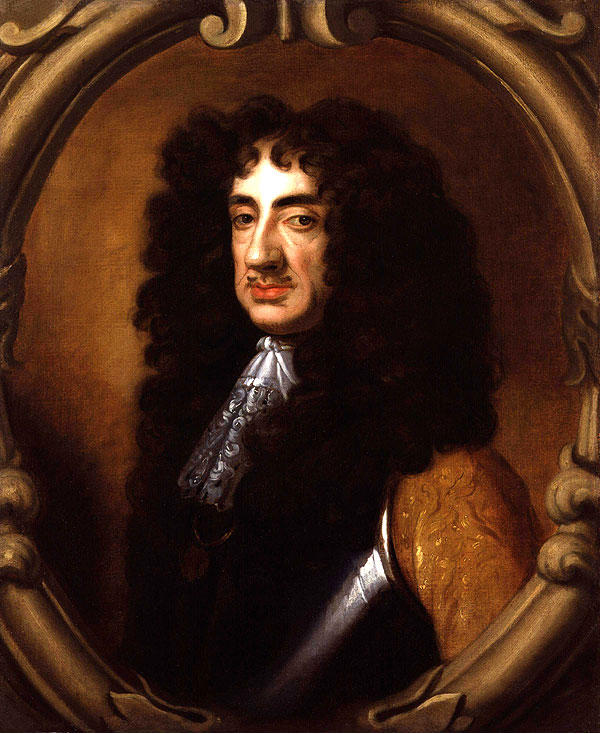
King Charles II
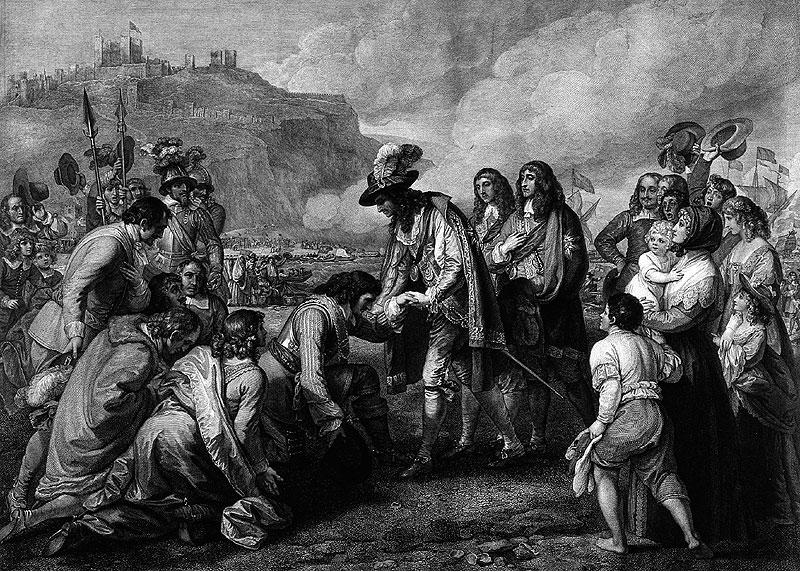
One of the outstanding royal visits to Dover came on 25 May 1660 when King Charles II landed here, on his way to London to
secure the throne after the restoration of the Monarchy. He had
been in exile in France and the Netherlands since his defeat by
Cromwell’s Parliamentary forces at the Battle of Worcester in
1651. With the death of Oliver Cromwell in 1658 the title of
Lord Protector passed to Cromwell’s son, Richard. Failing to
emulate his father’s iron grip he surrendered the office a year
later and Parliament invited the King to return.
Charles was greeted by a tumultuous welcome from the vast
crowds gathered on the beach and a salute was fired from the
guns of the Castle. This acclamation must have, in some part,
been due to a feeling of relief at the prospect of having once
more a King and settled government after the turmoil of the
Civil War. The King must have been greatly moved by the
welcome he received, as letters which he wrote afterwards
show. The diarist Samuel Pepys was in the King’s entourage and
described the event, and an extract from the Dover Corporation
Records gives some further details of this historic scene:
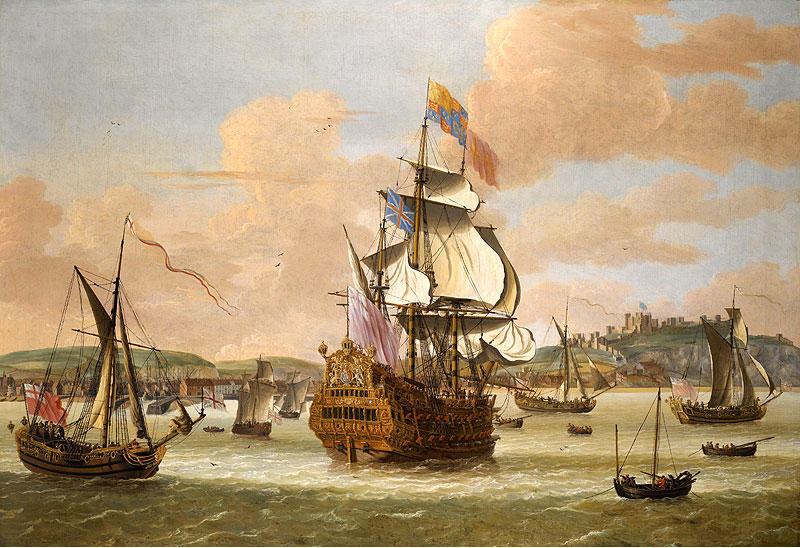
“Memorandum. - That the 25th May, 1660, the King arrived in
Dover Roads from Holland with twenty sail of His Majesty’s
great ships and frigates, the Right Hon. Edward Lord Montague
being General, and landed the same day being attended by His
Excellency the Lord General Monck who first met His Majesty
upon the bridge let into the sea for His Majesty’s more safe and
convenient landing, and at His Majesty’s coming from the
bridge, the Mayor of this Town, Thomas Broome, Esq., made a
speech to His Majesty upon his knees, and Mr. John Reading,
Minister of the Gospel, presented His Majesty with the Holy
Bible as a gift from this town, and Mr. Reading thereupon made
a speech likewise to His Majesty and His Gracious Majesty
laying his hand upon his breast , told Mr. Mayor nothing would
be more dear to him than the Bible. His Excellency the Lord
General was accompanied with the Earl of Winchelsea and a
great number of nobility and gentry of England and his life
guard all most richly accoutred.”
King Charles II was to keep magnificent Court at Dover Castle
ten years later, when , in 1670, a secret treaty was negotiated
with the French King Louis XIV. The signing took place under the
cover of a State Visit by Charles’s sister Henrietta, Duchess of
Orleans, who had been at the heart of the negotiations. Charles
was so anxious to meet his sister, whom he had not seen for
nine years, that he arrived far to early at Dover. Then he
returned to London and embarked on a ship with the intention
of meeting her mid Channel, but the winds were unfavourable.
Instead he went to Dover by road and greeted the French fleet
from his royal barge. As the King was accompanied by a large
entourage of courtiers and as Henritetta had with her courtiers,
and members of her own household numbering 250, the
available accommodation was rather strained. However there
were ample balls, concerts, plays and other festivities sufficient
to camouflage the signing of a secret treaty during the King’s
two week stay at the Castle.
1660 when King Charles II landed here, on his way to London to
secure the throne after the restoration of the Monarchy. He had
been in exile in France and the Netherlands since his defeat by
Cromwell’s Parliamentary forces at the Battle of Worcester in
1651. With the death of Oliver Cromwell in 1658 the title of
Lord Protector passed to Cromwell’s son, Richard. Failing to
emulate his father’s iron grip he surrendered the office a year
later and Parliament invited the King to return.
Charles was greeted by a tumultuous welcome from the vast
crowds gathered on the beach and a salute was fired from the
guns of the Castle. This acclamation must have, in some part,
been due to a feeling of relief at the prospect of having once
more a King and settled government after the turmoil of the
Civil War. The King must have been greatly moved by the
welcome he received, as letters which he wrote afterwards
show. The diarist Samuel Pepys was in the King’s entourage and
described the event, and an extract from the Dover Corporation
Records gives some further details of this historic scene:
“Memorandum. - That the 25th May, 1660, the King arrived in
Dover Roads from Holland with twenty sail of His Majesty’s
great ships and frigates, the Right Hon. Edward Lord Montague
being General, and landed the same day being attended by His
Excellency the Lord General Monck who first met His Majesty
upon the bridge let into the sea for His Majesty’s more safe and
convenient landing, and at His Majesty’s coming from the
bridge, the Mayor of this Town, Thomas Broome, Esq., made a
speech to His Majesty upon his knees, and Mr. John Reading,
Minister of the Gospel, presented His Majesty with the Holy
Bible as a gift from this town, and Mr. Reading thereupon made
a speech likewise to His Majesty and His Gracious Majesty
laying his hand upon his breast , told Mr. Mayor nothing would
be more dear to him than the Bible. His Excellency the Lord
General was accompanied with the Earl of Winchelsea and a
great number of nobility and gentry of England and his life
guard all most richly accoutred.”
King Charles II was to keep magnificent Court at Dover Castle
ten years later, when , in 1670, a secret treaty was negotiated
with the French King Louis XIV. The signing took place under the
cover of a State Visit by Charles’s sister Henrietta, Duchess of
Orleans, who had been at the heart of the negotiations. Charles
was so anxious to meet his sister, whom he had not seen for
nine years, that he arrived far to early at Dover. Then he
returned to London and embarked on a ship with the intention
of meeting her mid Channel, but the winds were unfavourable.
Instead he went to Dover by road and greeted the French fleet
from his royal barge. As the King was accompanied by a large
entourage of courtiers and as Henritetta had with her courtiers,
and members of her own household numbering 250, the
available accommodation was rather strained. However there
were ample balls, concerts, plays and other festivities sufficient
to camouflage the signing of a secret treaty during the King’s
two week stay at the Castle.
1660 when King Charles II landed here, on his way to London to
secure the throne after the restoration of the Monarchy. He had
been in exile in France and the Netherlands since his defeat by
Cromwell’s Parliamentary forces at the Battle of Worcester in
1651. With the death of Oliver Cromwell in 1658 the title of
Lord Protector passed to Cromwell’s son, Richard. Failing to
emulate his father’s iron grip he surrendered the office a year
later and Parliament invited the King to return.
Charles was greeted by a tumultuous welcome from the vast
crowds gathered on the beach and a salute was fired from the
guns of the Castle. This acclamation must have, in some part,
been due to a feeling of relief at the prospect of having once
more a King and settled government after the turmoil of the
Civil War. The King must have been greatly moved by the
welcome he received, as letters which he wrote afterwards
show. The diarist Samuel Pepys was in the King’s entourage and
described the event, and an extract from the Dover Corporation
Records gives some further details of this historic scene:
“Memorandum. - That the 25th May, 1660, the King arrived in
Dover Roads from Holland with twenty sail of His Majesty’s
great ships and frigates, the Right Hon. Edward Lord Montague
being General, and landed the same day being attended by His
Excellency the Lord General Monck who first met His Majesty
upon the bridge let into the sea for His Majesty’s more safe and
convenient landing, and at His Majesty’s coming from the
bridge, the Mayor of this Town, Thomas Broome, Esq., made a
speech to His Majesty upon his knees, and Mr. John Reading,
Minister of the Gospel, presented His Majesty with the Holy
Bible as a gift from this town, and Mr. Reading thereupon made
a speech likewise to His Majesty and His Gracious Majesty
laying his hand upon his breast , told Mr. Mayor nothing would
be more dear to him than the Bible. His Excellency the Lord
General was accompanied with the Earl of Winchelsea and a
great number of nobility and gentry of England and his life
guard all most richly accoutred.”
King Charles II was to keep magnificent Court at Dover Castle
ten years later, when , in 1670, a secret treaty was negotiated
with the French King Louis XIV. The signing took place under the
cover of a State Visit by Charles’s sister Henrietta, Duchess of
Orleans, who had been at the heart of the negotiations. Charles
was so anxious to meet his sister, whom he had not seen for
nine years, that he arrived far to early at Dover. Then he
returned to London and embarked on a ship with the intention
of meeting her mid Channel, but the winds were unfavourable.
Instead he went to Dover by road and greeted the French fleet
from his royal barge. As the King was accompanied by a large
entourage of courtiers and as Henritetta had with her courtiers,
and members of her own household numbering 250, the
available accommodation was rather strained. However there
were ample balls, concerts, plays and other festivities sufficient
to camouflage the signing of a secret treaty during the King’s
two week stay at the Castle.