© www.dover-kent.co.uk 2024


Dover: Lock and Key of the Kingdom

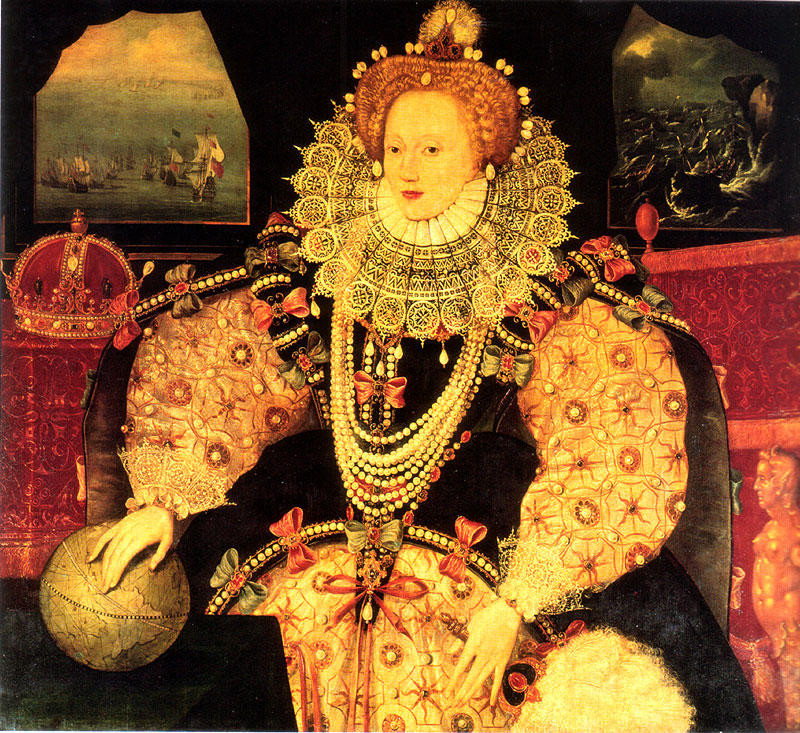
Queen Elizabeth I
Queen Elizabeth I visited Dover on 14 July 1573 on her progress through Kent. The procession to Dover from
Folkestone must have presented a marvellous and glittering
cavalcade to any observer. In addition to her own courtiers,
the Queen was accompanied by the Archbishop of Canterbury
and the Lord Warden of the Cinque Ports, each with their own
entourage.
The procession was so long that as the tail of it was going up
Folkestone Hill, leaving Folkestone, the head was descending
the Western Heights down through Cowgate into Queen Street.
There were about 1,000 important people on horseback and a
similar number of two wheeled wagons each drawn by six
horses. It is likely that the Queen stayed at the Castle before
proceeding on to Sandwich. Before she left she was presented
with a richly enamelled gold cup bearing the Cinque Ports
arms.
It was during Elizabeth’s reign that the Cinque Ports performed
their final service in the naval defence of their country. In late
July 1588 England was threatened with invasion by the
Spanish Armada and the Cinque Ports were ordered to send
five ships and one pinnace, but actually provided two ships
and one pinnace. Dover equipped the ‘Elizabeth’, a ship of 120
tons, with 70 men and supplies for fifty days.
These vessels, with eighteen from the east-coast towns,
formed the auxiliary squadron to the Channel squadron, and
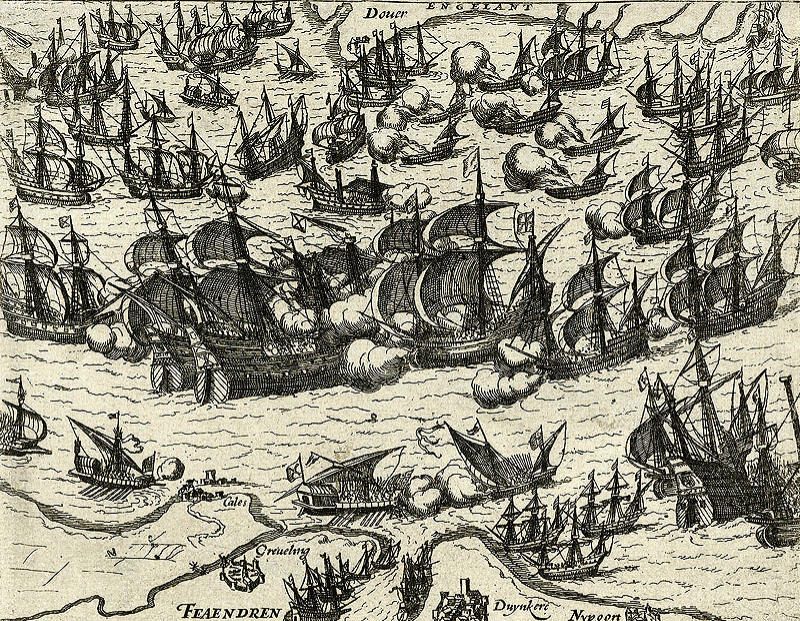
were posted to Dover. This small squadron took part in the
action off Gravelines (near Calais) on 29 July. Five fire ships
had been prepared in Dover Harbour but were not used as Sir
Francis Drake gave some of his own ships to use instead to
save time.
By the next day the Spanish fleet had been broken by the
English attack and was being scattered by the prevailing
westerly wind.
progress through Kent. The procession to Dover from
Folkestone must have presented a marvellous and glittering
cavalcade to any observer. In addition to her own courtiers,
the Queen was accompanied by the Archbishop of Canterbury
and the Lord Warden of the Cinque Ports, each with their own
entourage.
The procession was so long that as the tail of it was going up
Folkestone Hill, leaving Folkestone, the head was descending
the Western Heights down through Cowgate into Queen Street.
There were about 1,000 important people on horseback and a
similar number of two wheeled wagons each drawn by six
horses. It is likely that the Queen stayed at the Castle before
proceeding on to Sandwich. Before she left she was presented
with a richly enamelled gold cup bearing the Cinque Ports
arms.
It was during Elizabeth’s reign that the Cinque Ports performed
their final service in the naval defence of their country. In late
July 1588 England was threatened with invasion by the
Spanish Armada and the Cinque Ports were ordered to send
five ships and one pinnace, but actually provided two ships
and one pinnace. Dover equipped the ‘Elizabeth’, a ship of 120
tons, with 70 men and supplies for fifty days.
These vessels, with eighteen from the east-coast towns,
formed the auxiliary squadron to the Channel squadron, and
were posted to Dover. This small squadron took part in the
action off Gravelines (near Calais) on 29 July. Five fire ships
had been prepared in Dover Harbour but were not used as Sir
Francis Drake gave some of his own ships to use instead to
save time.
By the next day the Spanish fleet had been broken by the
English attack and was being scattered by the prevailing
westerly wind.
progress through Kent. The procession to Dover from
Folkestone must have presented a marvellous and glittering
cavalcade to any observer. In addition to her own courtiers,
the Queen was accompanied by the Archbishop of Canterbury
and the Lord Warden of the Cinque Ports, each with their own
entourage.
The procession was so long that as the tail of it was going up
Folkestone Hill, leaving Folkestone, the head was descending
the Western Heights down through Cowgate into Queen Street.
There were about 1,000 important people on horseback and a
similar number of two wheeled wagons each drawn by six
horses. It is likely that the Queen stayed at the Castle before
proceeding on to Sandwich. Before she left she was presented
with a richly enamelled gold cup bearing the Cinque Ports
arms.
It was during Elizabeth’s reign that the Cinque Ports performed
their final service in the naval defence of their country. In late
July 1588 England was threatened with invasion by the
Spanish Armada and the Cinque Ports were ordered to send
five ships and one pinnace, but actually provided two ships
and one pinnace. Dover equipped the ‘Elizabeth’, a ship of 120
tons, with 70 men and supplies for fifty days.
These vessels, with eighteen from the east-coast towns,
formed the auxiliary squadron to the Channel squadron, and
were posted to Dover. This small squadron took part in the
action off Gravelines (near Calais) on 29 July. Five fire ships
had been prepared in Dover Harbour but were not used as Sir
Francis Drake gave some of his own ships to use instead to
save time.
By the next day the Spanish fleet had been broken by the
English attack and was being scattered by the prevailing
westerly wind.