© www.dover-kent.co.uk 2024


Dover: Lock and Key of the Kingdom

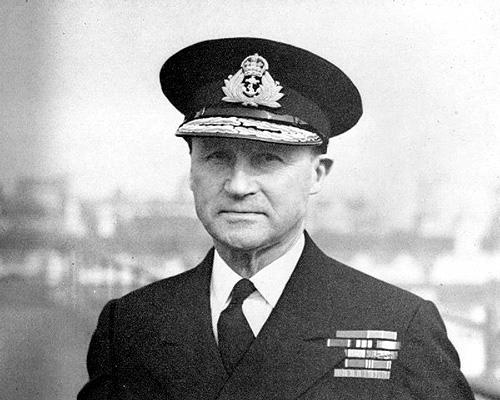
Admiral Sir Bertram Ramsay
Bertram Home Ramsay was born in London in 1883 to an old Scottish family. He entered the Royal Navy in 1898, joining the
‘Britannia’ and passing out as a midshipman the next year.
In August 1915 he received his first command, the ‘M 25’, a
small monitor. Thus he began his association with the Dover
Patrol, and for the next two years he spent most of his time off
the Belgian coast, supporting the left flank of the armies. In
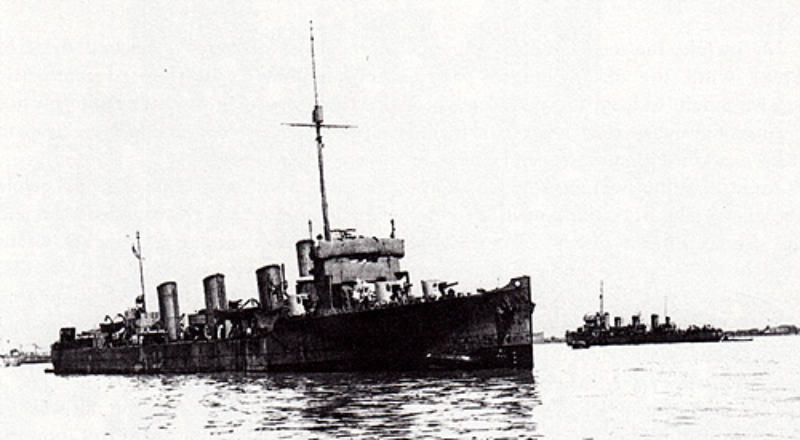
October 1917 he transferred to the command of the destroyer
‘Broke’, also of the Dover Patrol. In this ship he took part in the
Ostend operations of 9 May 1918, which was a follow up to the
Zeebrugge Raid, for which he was mentioned in despatches. He
resigned from the Navy in 1938 but was recalled with war
threatening in 1939.
Ramsay hoisted his Vice-Admiral’s flag, as officer-in-charge,
Dover, on 24 August 1939. So, on 3 September 1939, the
outbreak of the Second World War found him at his post and
commanding waters very familiar to him. Familiar too must
have been the early tasks which came his way: the denial of
the passage through the Straits of Dover to submarines;
defence against possible destroyer raids; protection of cross
Channel military traffic. And other repetitions of 1914 - 1918.
With the German assault on France and the Low Countries,
Dover at once became the centre of great activity, but the
climax came when, with the collapse of France, Ramsay was
ordered to bring the British soldiers home from Dunkirk.
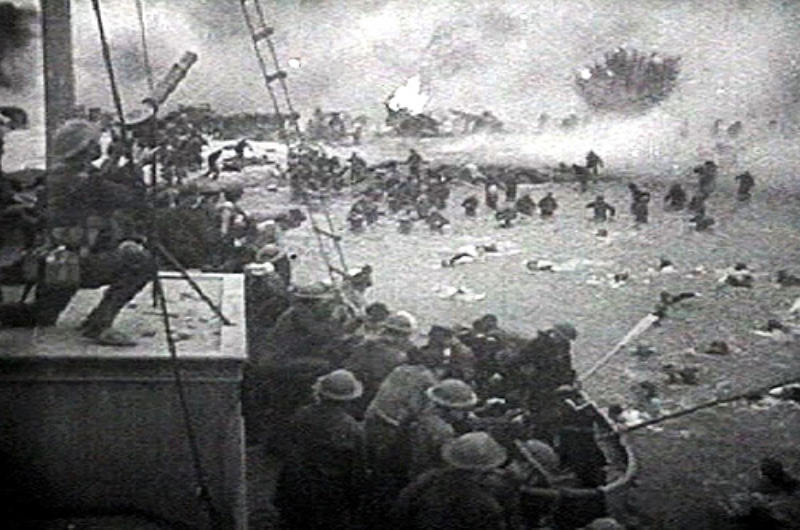
“Operation Dynamo” lasted from 26 May to 4 June 1940 and
evacuated 338,226 British and allied soldiers from the beaches
of Dunkirk. On completion of this great achievement, Ramsay
reported on the operation to the King in person, and was
rewarded by the honour of the K.C.B. from the King.
On his return to Dover, Ramsay found his problems multiplied
tenfold by an enemy in possession of the French coastline. For
nearly two more years he strove to maintain control of the
waters under his command in the face of air attack, the
assaults of hostile small craft, and cross-Channel
bombardment. Throughout the autumn of 1940 Dover was in
the forefront of precautions against invasion. They were
anxious days but Ramsay remained fresh, fit and
imperturbable. Despite losses coastal traffic was kept going. At
the end of 1940 he was mentioned in despatches for his
services.
Ramsay left Dover 29 April 1942 to take up his appointment as
Naval Force Commander for the invasion of Europe but when
this was postponed he was transferred to command the
Algerian landings in North Africa, which began in November of
that year. In July 1943 he prepared the amphibious landings in
Sicily as Naval Commanding Officer, Eastern Task Force. In
1944 he was appointed Naval Commander in Chief for
“Operation Overlord”, much to the relief of General Eisenhower
who thought Ramsay an exceptionally able commander.
“Operation Overlord” officially began on 6 June 1944, D-Day,
and one million soldiers were landed on the coast of France, a
marvellous testimony to Ramsay’s ingenuity. His next project
involved the invasion of the island of Walcheren in Holland.
On 2 January 1945 Ramsay left his headquarters on a flight to
Brussels to attend a meeting with General Montgomery. His
aircraft crashed on taking off and Ramsay was killed instantly.
He was buried at St.Germain-en-Laye. He was made a grand
officer of the Legion of Honour by the French, and in June 1945
his widow was in Paris to receive his insignia. In November
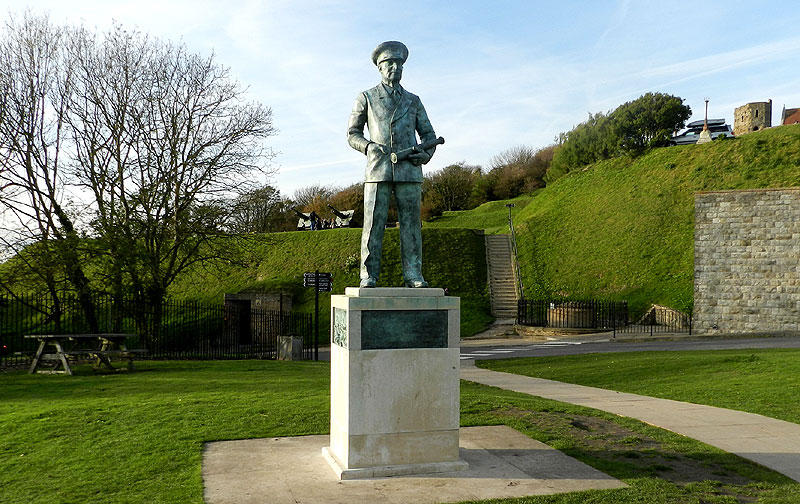
2000 an statue of Ramsay was erected at Dover Castle very
close to the tunnels where he planned the Dunkirk evacuations.
Scottish family. He entered the Royal Navy in 1898, joining the
‘Britannia’ and passing out as a midshipman the next year.
In August 1915 he received his first command, the ‘M 25’, a
small monitor. Thus he began his association with the Dover
Patrol, and for the next two years he spent most of his time off
the Belgian coast, supporting the left flank of the armies. In
October 1917 he transferred to the command of the destroyer
‘Broke’, also of the Dover Patrol. In this ship he took part in the
Ostend operations of 9 May 1918, which was a follow up to the
Zeebrugge Raid, for which he was mentioned in despatches. He
resigned from the Navy in 1938 but was recalled with war
threatening in 1939.
Ramsay hoisted his Vice-Admiral’s flag, as officer-in-charge,
Dover, on 24 August 1939. So, on 3 September 1939, the
outbreak of the Second World War found him at his post and
commanding waters very familiar to him. Familiar too must
have been the early tasks which came his way: the denial of
the passage through the Straits of Dover to submarines;
defence against possible destroyer raids; protection of cross
Channel military traffic. And other repetitions of 1914 - 1918.
With the German assault on France and the Low Countries,
Dover at once became the centre of great activity, but the
climax came when, with the collapse of France, Ramsay was
ordered to bring the British soldiers home from Dunkirk.
“Operation Dynamo” lasted from 26 May to 4 June 1940 and
evacuated 338,226 British and allied soldiers from the beaches
of Dunkirk. On completion of this great achievement, Ramsay
reported on the operation to the King in person, and was
rewarded by the honour of the K.C.B. from the King.
On his return to Dover, Ramsay found his problems multiplied
tenfold by an enemy in possession of the French coastline. For
nearly two more years he strove to maintain control of the
waters under his command in the face of air attack, the
assaults of hostile small craft, and cross-Channel
bombardment. Throughout the autumn of 1940 Dover was in
the forefront of precautions against invasion. They were
anxious days but Ramsay remained fresh, fit and
imperturbable. Despite losses coastal traffic was kept going. At
the end of 1940 he was mentioned in despatches for his
services.
Ramsay left Dover 29 April 1942 to take up his appointment as
Naval Force Commander for the invasion of Europe but when
this was postponed he was transferred to command the
Algerian landings in North Africa, which began in November of
that year. In July 1943 he prepared the amphibious landings in
Sicily as Naval Commanding Officer, Eastern Task Force. In
1944 he was appointed Naval Commander in Chief for
“Operation Overlord”, much to the relief of General Eisenhower
who thought Ramsay an exceptionally able commander.
“Operation Overlord” officially began on 6 June 1944, D-Day,
and one million soldiers were landed on the coast of France, a
marvellous testimony to Ramsay’s ingenuity. His next project
involved the invasion of the island of Walcheren in Holland.
On 2 January 1945 Ramsay left his headquarters on a flight to
Brussels to attend a meeting with General Montgomery. His
aircraft crashed on taking off and Ramsay was killed instantly.
He was buried at St.Germain-en-Laye. He was made a grand
officer of the Legion of Honour by the French, and in June 1945
his widow was in Paris to receive his insignia. In November
2000 an statue of Ramsay was erected at Dover Castle very
close to the tunnels where he planned the Dunkirk evacuations.
Scottish family. He entered the Royal Navy in 1898, joining the
‘Britannia’ and passing out as a midshipman the next year.
In August 1915 he received his first command, the ‘M 25’, a
small monitor. Thus he began his association with the Dover
Patrol, and for the next two years he spent most of his time off
the Belgian coast, supporting the left flank of the armies. In
October 1917 he transferred to the command of the destroyer
‘Broke’, also of the Dover Patrol. In this ship he took part in the
Ostend operations of 9 May 1918, which was a follow up to the
Zeebrugge Raid, for which he was mentioned in despatches. He
resigned from the Navy in 1938 but was recalled with war
threatening in 1939.
Ramsay hoisted his Vice-Admiral’s flag, as officer-in-charge,
Dover, on 24 August 1939. So, on 3 September 1939, the
outbreak of the Second World War found him at his post and
commanding waters very familiar to him. Familiar too must
have been the early tasks which came his way: the denial of
the passage through the Straits of Dover to submarines;
defence against possible destroyer raids; protection of cross
Channel military traffic. And other repetitions of 1914 - 1918.
With the German assault on France and the Low Countries,
Dover at once became the centre of great activity, but the
climax came when, with the collapse of France, Ramsay was
ordered to bring the British soldiers home from Dunkirk.
“Operation Dynamo” lasted from 26 May to 4 June 1940 and
evacuated 338,226 British and allied soldiers from the beaches
of Dunkirk. On completion of this great achievement, Ramsay
reported on the operation to the King in person, and was
rewarded by the honour of the K.C.B. from the King.
On his return to Dover, Ramsay found his problems multiplied
tenfold by an enemy in possession of the French coastline. For
nearly two more years he strove to maintain control of the
waters under his command in the face of air attack, the
assaults of hostile small craft, and cross-Channel
bombardment. Throughout the autumn of 1940 Dover was in
the forefront of precautions against invasion. They were
anxious days but Ramsay remained fresh, fit and
imperturbable. Despite losses coastal traffic was kept going. At
the end of 1940 he was mentioned in despatches for his
services.
Ramsay left Dover 29 April 1942 to take up his appointment as
Naval Force Commander for the invasion of Europe but when
this was postponed he was transferred to command the
Algerian landings in North Africa, which began in November of
that year. In July 1943 he prepared the amphibious landings in
Sicily as Naval Commanding Officer, Eastern Task Force. In
1944 he was appointed Naval Commander in Chief for
“Operation Overlord”, much to the relief of General Eisenhower
who thought Ramsay an exceptionally able commander.
“Operation Overlord” officially began on 6 June 1944, D-Day,
and one million soldiers were landed on the coast of France, a
marvellous testimony to Ramsay’s ingenuity. His next project
involved the invasion of the island of Walcheren in Holland.
On 2 January 1945 Ramsay left his headquarters on a flight to
Brussels to attend a meeting with General Montgomery. His
aircraft crashed on taking off and Ramsay was killed instantly.
He was buried at St.Germain-en-Laye. He was made a grand
officer of the Legion of Honour by the French, and in June 1945
his widow was in Paris to receive his insignia. In November
2000 an statue of Ramsay was erected at Dover Castle very
close to the tunnels where he planned the Dunkirk evacuations.