© www.dover-kent.co.uk 2024


Dover: Lock and Key of the Kingdom

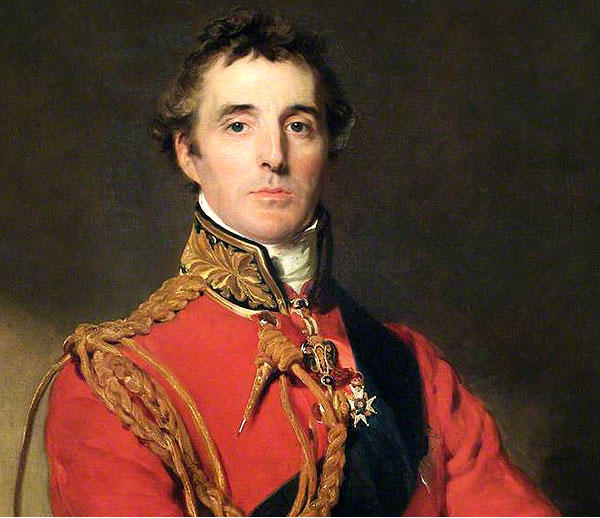
The Duke of Wellington
Arthur Wellesley, 1st Duke of Wellington (1769-1852), was born in Dublin to the Earl and Countess of Mornington. Ironically, he
had no desire for a military career but, following his mother’s
wishes, he joined a Highland regiment. He fought at Flanders in
1794, and directed the campaign in India in 1796, where his
elder brother was Governor General. He was knighted for his
efforts and returned to England in 1805.
In 1806 he was elected Member of Parliament for Rye. He
continued with his military career despite his parliamentary
duties, fighting campaigns in Portugal and France, and being
made commander of the British Army in the Peninsular War. He
was given the title Duke of Wellington in 1814, and went on to
command his most celebrated campaigns in the Napoleonic
Wars, with final victory at Waterloo in 1815.
When he returned to Britain he was treated as a hero, formally
honoured, and presented with both an estate in Hampshire and
a fortune of £400,000. The Duke was Prime Minister from 1828
to 1830 and he became Lord Warden of the Cinque Ports and
Constable of Dover Castle in January 1829.
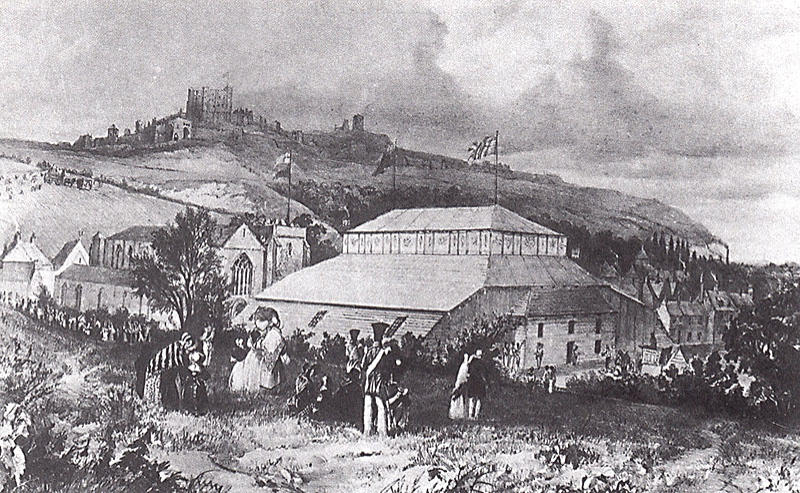
The Duke was never ceremonially installed as Lord Warden but
on 30 August 1839 a banquet took place in his honour. The
banquet was held in a specially built pavilion opposite the
Maison Dieu. The building cost £1,200, it covered an area of
20,420 square feet, 20,000 cubic feet of timber was used in its
construction, 100 men were employed for 60 days building it
and it contained seating for 2,250 people.
As the South Eastern Railway’s line from Folkestone approached
Dover, it had to cut through Shakespeare Cliff. The tunnel was
cut in the form of two Gothic arches, the two tunnels being
divided by a wall of chalk 10 feet thick. The Duke visited the
site on 1 November 1843, and walked through the whole length
of the new tunnel, three-quarters of a mile.
The Duke interested himself in the affairs of Dover Harbour
and, as Lord Warden, was Chairman of the Harbour
Commissioners. During the Duke’s time much work was carried
out to improve the harbour, enlarging the tidal harbour and
building new quays on the inner harbour. In 1846 a swing
bridge and gates were provided to give direct access to the
Pent (now called the Wellington Dock) from the tidal harbour.
On 13 November 1846, the Wellington Bridge was opened by
the Duke himself, who drove over it in his carriage , while the
guns of the Drop Redoubt fired a salute.
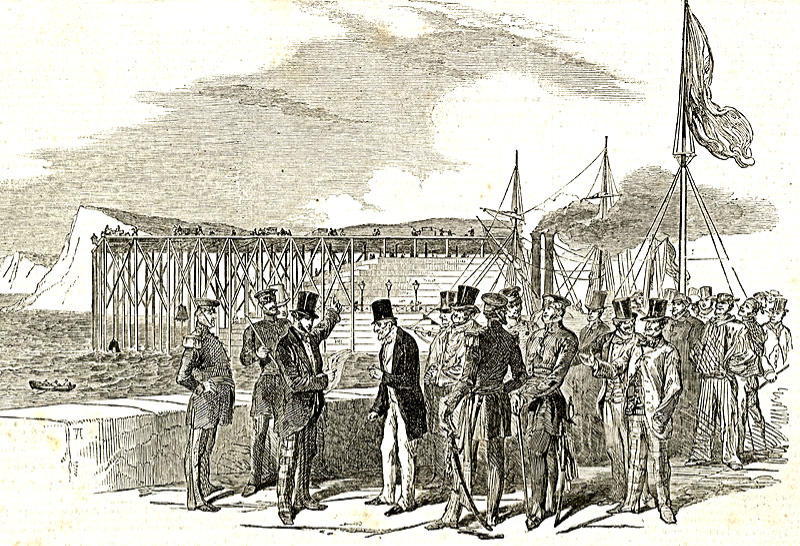
The Duke’s last public engagement was in Dover, and again
related to harbour improvements. On Saturday, 11 September
1852 he rode on horseback to look at the construction work on
the new Admiralty Pier. He was taken ill the following Tuesday
and died that afternoon.
in Dublin to the Earl and Countess of Mornington. Ironically, he
had no desire for a military career but, following his mother’s
wishes, he joined a Highland regiment. He fought at Flanders in
1794, and directed the campaign in India in 1796, where his
elder brother was Governor General. He was knighted for his
efforts and returned to England in 1805.
In 1806 he was elected Member of Parliament for Rye. He
continued with his military career despite his parliamentary
duties, fighting campaigns in Portugal and France, and being
made commander of the British Army in the Peninsular War. He
was given the title Duke of Wellington in 1814, and went on to
command his most celebrated campaigns in the Napoleonic
Wars, with final victory at Waterloo in 1815.
When he returned to Britain he was treated as a hero, formally
honoured, and presented with both an estate in Hampshire and
a fortune of £400,000. The Duke was Prime Minister from 1828
to 1830 and he became Lord Warden of the Cinque Ports and
Constable of Dover Castle in January 1829.
The Duke was never ceremonially installed as Lord Warden but
on 30 August 1839 a banquet took place in his honour. The
banquet was held in a specially built pavilion opposite the
Maison Dieu. The building cost £1,200, it covered an area of
20,420 square feet, 20,000 cubic feet of timber was used in its
construction, 100 men were employed for 60 days building it
and it contained seating for 2,250 people.
As the South Eastern Railway’s line from Folkestone approached
Dover, it had to cut through Shakespeare Cliff. The tunnel was
cut in the form of two Gothic arches, the two tunnels being
divided by a wall of chalk 10 feet thick. The Duke visited the
site on 1 November 1843, and walked through the whole length
of the new tunnel, three-quarters of a mile.
The Duke interested himself in the affairs of Dover Harbour
and, as Lord Warden, was Chairman of the Harbour
Commissioners. During the Duke’s time much work was carried
out to improve the harbour, enlarging the tidal harbour and
building new quays on the inner harbour. In 1846 a swing
bridge and gates were provided to give direct access to the
Pent (now called the Wellington Dock) from the tidal harbour.
On 13 November 1846, the Wellington Bridge was opened by
the Duke himself, who drove over it in his carriage , while the
guns of the Drop Redoubt fired a salute.
The Duke’s last public engagement was in Dover, and again
related to harbour improvements. On Saturday, 11 September
1852 he rode on horseback to look at the construction work on
the new Admiralty Pier. He was taken ill the following Tuesday
and died that afternoon.
in Dublin to the Earl and Countess of Mornington. Ironically, he
had no desire for a military career but, following his mother’s
wishes, he joined a Highland regiment. He fought at Flanders in
1794, and directed the campaign in India in 1796, where his
elder brother was Governor General. He was knighted for his
efforts and returned to England in 1805.
In 1806 he was elected Member of Parliament for Rye. He
continued with his military career despite his parliamentary
duties, fighting campaigns in Portugal and France, and being
made commander of the British Army in the Peninsular War. He
was given the title Duke of Wellington in 1814, and went on to
command his most celebrated campaigns in the Napoleonic
Wars, with final victory at Waterloo in 1815.
When he returned to Britain he was treated as a hero, formally
honoured, and presented with both an estate in Hampshire and
a fortune of £400,000. The Duke was Prime Minister from 1828
to 1830 and he became Lord Warden of the Cinque Ports and
Constable of Dover Castle in January 1829.
The Duke was never ceremonially installed as Lord Warden but
on 30 August 1839 a banquet took place in his honour. The
banquet was held in a specially built pavilion opposite the
Maison Dieu. The building cost £1,200, it covered an area of
20,420 square feet, 20,000 cubic feet of timber was used in its
construction, 100 men were employed for 60 days building it
and it contained seating for 2,250 people.
As the South Eastern Railway’s line from Folkestone approached
Dover, it had to cut through Shakespeare Cliff. The tunnel was
cut in the form of two Gothic arches, the two tunnels being
divided by a wall of chalk 10 feet thick. The Duke visited the
site on 1 November 1843, and walked through the whole length
of the new tunnel, three-quarters of a mile.
The Duke interested himself in the affairs of Dover Harbour
and, as Lord Warden, was Chairman of the Harbour
Commissioners. During the Duke’s time much work was carried
out to improve the harbour, enlarging the tidal harbour and
building new quays on the inner harbour. In 1846 a swing
bridge and gates were provided to give direct access to the
Pent (now called the Wellington Dock) from the tidal harbour.
On 13 November 1846, the Wellington Bridge was opened by
the Duke himself, who drove over it in his carriage , while the
guns of the Drop Redoubt fired a salute.
The Duke’s last public engagement was in Dover, and again
related to harbour improvements. On Saturday, 11 September
1852 he rode on horseback to look at the construction work on
the new Admiralty Pier. He was taken ill the following Tuesday
and died that afternoon.