© www.dover-kent.co.uk 2024


Dover: Lock and Key of the Kingdom

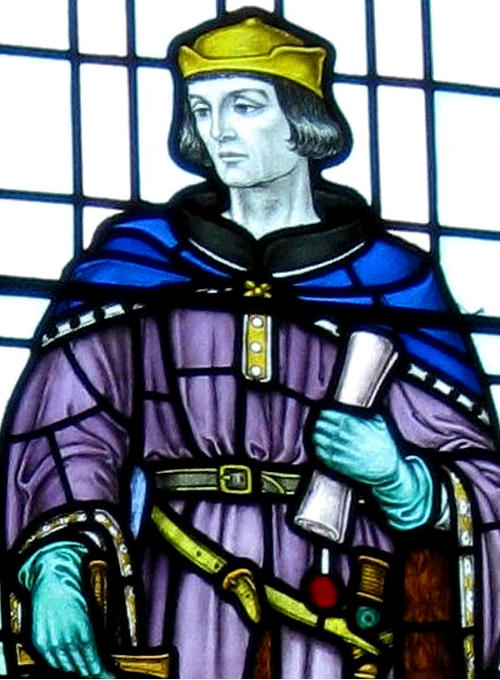
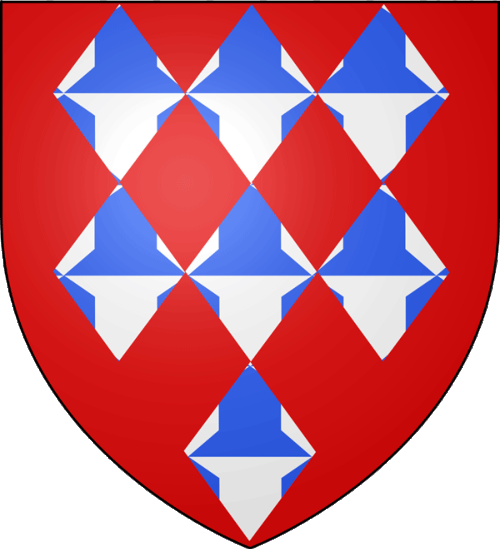
Hubert de Burgh
Hubert de Burgh (c.1175-1243), a younger son from a family of Norfolk gentry, entered the service of King John in the 1190s.
His reputation was made by his obstinate defence of the castle
of Chinon in 1205. Appointed seneschal of Poitou in 1212 he
held that province against French attack. Recalled to England in
he was appointed Justiciar at the height of the Magna Carta
crisis and remained in that office, with overall responsibility for
the administration of England, until 1232.
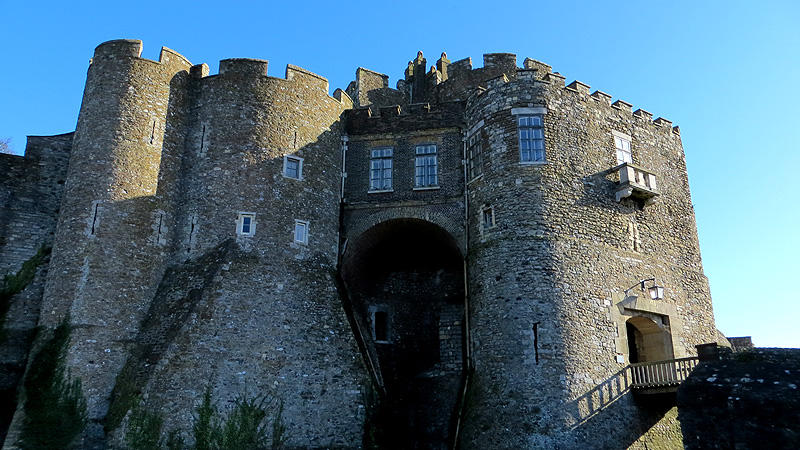
He was one of the great Constables of Dover Castle. From his
first appointment until he finally vacated the office was a period
of thirty years, 1202-1232, but from 1203-1215 four other men
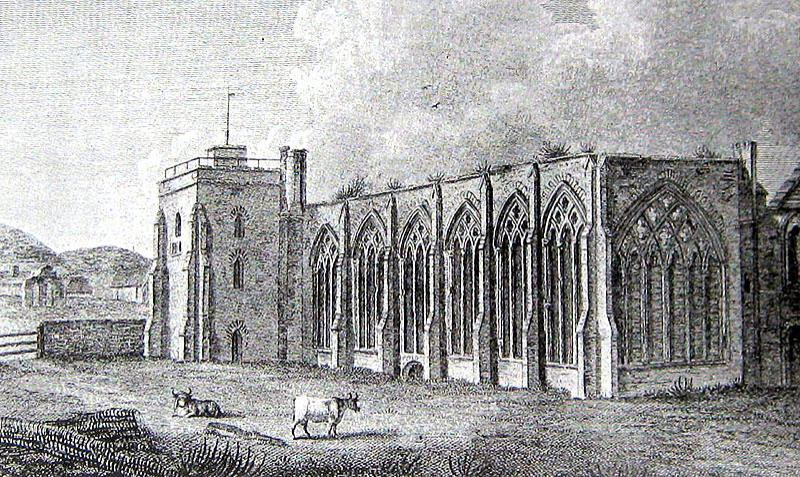
filled the office for short periods. During his first period of
tenure in 1203 he founded the Maison Dieu in the town.
Hubert played a decisive part in the war against France of 1215
to 1217. He defended Dover Castle against Prince Louis of
France, who invaded England to help the barons in their fight
against King John. In 1216, the French laid siege to the Castle
with a large army and great siege engines that could hurl rocks
against the walls. Hubert only had 150 men to defend the castle
with. Part of the outer curtain wall of the castle was undermined
by the French and collapsed. But Hubert and his heroic
defenders were able to plug the breach and fight off the
attackers. With the death of King John, and the accession of his
infant son Henry III, the French withdrew.
The French returned in August 1217 with a fleet of eighty great
ships and many smaller vessels. They were met, off the
Goodwin Sands, by Hubert with only forty ships at his
command. But, unlike the French he understood the difficult
Channel currents. He sank some of the French ships, ramming
them with the iron tipped bows of his galleys. With his own
vessels to windward of the remaining French ships he threw
quicklime to burn his enemy and the French commander was
captured. This defeat finally ended Louis’s hopes of becoming
King of England.
From 1219 onwards Hubert was the most influential figure in
Henry III’s minority government. In 1221 he married, as his
third wife, Margaret, sister of King Alexander II of Scotland, and
four years later was created Earl of Kent. In 1232 his long-time
rival for royal favour, Peter des Roches, persuaded Henry to
dismiss and imprison him. He made a dramatic escape from
prison in 1233 and was reconciled to the king next year, but
never recovered his former influence. In Dover Hubert de Burgh
will be remembered as the heroic defender of Dover Castle and
the founder of the Maison Dieu.
Norfolk gentry, entered the service of King John in the 1190s.
His reputation was made by his obstinate defence of the castle
of Chinon in 1205. Appointed seneschal of Poitou in 1212 he
held that province against French attack. Recalled to England in
he was appointed Justiciar at the height of the Magna Carta
crisis and remained in that office, with overall responsibility for
the administration of England, until 1232.
He was one of the great Constables of Dover Castle. From his
first appointment until he finally vacated the office was a period
of thirty years, 1202-1232, but from 1203-1215 four other men
filled the office for short periods. During his first period of
tenure in 1203 he founded the Maison Dieu in the town.
Hubert played a decisive part in the war against France of 1215
to 1217. He defended Dover Castle against Prince Louis of
France, who invaded England to help the barons in their fight
against King John. In 1216, the French laid siege to the Castle
with a large army and great siege engines that could hurl rocks
against the walls. Hubert only had 150 men to defend the castle
with. Part of the outer curtain wall of the castle was undermined
by the French and collapsed. But Hubert and his heroic
defenders were able to plug the breach and fight off the
attackers. With the death of King John, and the accession of his
infant son Henry III, the French withdrew.
The French returned in August 1217 with a fleet of eighty great
ships and many smaller vessels. They were met, off the
Goodwin Sands, by Hubert with only forty ships at his
command. But, unlike the French he understood the difficult
Channel currents. He sank some of the French ships, ramming
them with the iron tipped bows of his galleys. With his own
vessels to windward of the remaining French ships he threw
quicklime to burn his enemy and the French commander was
captured. This defeat finally ended Louis’s hopes of becoming
King of England.
From 1219 onwards Hubert was the most influential figure in
Henry III’s minority government. In 1221 he married, as his
third wife, Margaret, sister of King Alexander II of Scotland, and
four years later was created Earl of Kent. In 1232 his long-time
rival for royal favour, Peter des Roches, persuaded Henry to
dismiss and imprison him. He made a dramatic escape from
prison in 1233 and was reconciled to the king next year, but
never recovered his former influence. In Dover Hubert de Burgh
will be remembered as the heroic defender of Dover Castle and
the founder of the Maison Dieu.
Norfolk gentry, entered the service of King John in the 1190s.
His reputation was made by his obstinate defence of the castle
of Chinon in 1205. Appointed seneschal of Poitou in 1212 he
held that province against French attack. Recalled to England in
he was appointed Justiciar at the height of the Magna Carta
crisis and remained in that office, with overall responsibility for
the administration of England, until 1232.
He was one of the great Constables of Dover Castle. From his
first appointment until he finally vacated the office was a period
of thirty years, 1202-1232, but from 1203-1215 four other men
filled the office for short periods. During his first period of
tenure in 1203 he founded the Maison Dieu in the town.
Hubert played a decisive part in the war against France of 1215
to 1217. He defended Dover Castle against Prince Louis of
France, who invaded England to help the barons in their fight
against King John. In 1216, the French laid siege to the Castle
with a large army and great siege engines that could hurl rocks
against the walls. Hubert only had 150 men to defend the castle
with. Part of the outer curtain wall of the castle was undermined
by the French and collapsed. But Hubert and his heroic
defenders were able to plug the breach and fight off the
attackers. With the death of King John, and the accession of his
infant son Henry III, the French withdrew.
The French returned in August 1217 with a fleet of eighty great
ships and many smaller vessels. They were met, off the
Goodwin Sands, by Hubert with only forty ships at his
command. But, unlike the French he understood the difficult
Channel currents. He sank some of the French ships, ramming
them with the iron tipped bows of his galleys. With his own
vessels to windward of the remaining French ships he threw
quicklime to burn his enemy and the French commander was
captured. This defeat finally ended Louis’s hopes of becoming
King of England.
From 1219 onwards Hubert was the most influential figure in
Henry III’s minority government. In 1221 he married, as his
third wife, Margaret, sister of King Alexander II of Scotland, and
four years later was created Earl of Kent. In 1232 his long-time
rival for royal favour, Peter des Roches, persuaded Henry to
dismiss and imprison him. He made a dramatic escape from
prison in 1233 and was reconciled to the king next year, but
never recovered his former influence. In Dover Hubert de Burgh
will be remembered as the heroic defender of Dover Castle and
the founder of the Maison Dieu.